Olympus BioScapes Competition Judges
2014 Judges
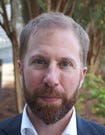
Robert E. Campbell, Ph.D.
Robert Campbell, is a Professor of Chemistry of the University of Alberta, Edmonton, Canada. He has published more than 50 papers about fluorescent proteins for biological research and has earned a number of patents, along with numerous awards and fellowships. He has given more than 80 invited lectures and has mentored scores of undergraduate and graduate students. Fluorescent protein-based tools developed in his lab have been requested more than 2500 times. He did his postdoctoral training in the laboratory of Nobel Laureate Roger Tsien at the University of California, San Diego from 2000-2003.
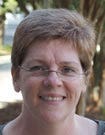
Dr. Catherine G. Galbraith
Catherine Galbraith is an Associate Professor at the Oregon Health & Science University (OHSU) Center for Spatial Systems Biomedicine and Biomedical Engineering, as well as a Discovery Engine Investigator at the OHSU Knight Cancer Institute. She works at the interface of biology and physics to facilitate discoveries of fundamental mechanisms that are applicable to processes as diverse as specification of cell fate, and cancer cell metastasis, and synaptogenesis. She studies motility and connectivity using a combination of imaging, cell biology, biophysics, and molecular biology and addresses cutting- edge biological questions by applying emerging technologies. Earlier in her career, she was senior fellow at the U.S. National Institutes of Health (NIH) in Bethesda, MD and a visiting scientist at Janelia Farm in Ashburn, VA.
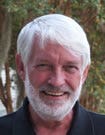
Dr. Douglas B. Murphy
Douglas Murphy is most recently the coauthor of Fundamentals of Light Microscopy and Electronic Imaging, 2nd Edition (Wiley Blackwell, 2012), and a Visiting Scientist at the Howard Hughes Medical Institute Janelia Research Campus in Ashburn, VA. Earlier, he was the Director of the Facilities for Light Microscopy, Histology and Cell Culture at Janelia Farm, and also adjunct professor of cell biology at Johns Hopkins Medical School in Baltimore, MD, where he helped establish the School of Medicine Microscope Facility. Dr. Murphy has published more than 100 papers on topics related to his research interests, including the role of microtubules in organelle transport, the polymer dynamics of microtubules, the function of microtubule-associated proteins, and the mechanical and conformational states of the motor protein kinesin.
Dr. Alison North
Senior Director of the Bio-Imaging Resource Center and Research Associate Professor at The Rockefeller University in New York City, Dr. North is a cell biologist with expertise in virtually all areas of fluorescence microscopy. Throughout her career, Dr. North has applied a variety of optical microscopy techniques to her research on cell-cell junctions and membrane-cytoskeletal interactions. Among the many advanced optical microscopy techniques she uses are 3D-SIM and STORM super-resolution techniques, laser scanning confocal, live-cell imaging, multiphoton, deconvolution, differential interference contrast, fluorescence recovery after photobleaching (FRAP), fluorescence resonance energy transfer (FRET), spinning disk confocal, laser microdissection, and a variety of techniques applied in digital image processing. Dr. North also has considerable experience with transmission and scanning electron microscopy. She says her favorite work activity of all is judging the Olympus BioScapes Competition.
2013 Judges
Dr. James Bear
Dr. Bear is a professor in the Department of Cell Biology and Physiology and a member of the Lineberger Comprehensive Cancer Center at the University of North Carolina (UNC), Chapel Hill. An HHMI Early Career Scientist, he also co-directs the UNC-Olympus Imaging Research Center at the university. In the laboratory he supervises, research focuses on the basic mechanisms of actin dynamics and cell motility, including the function of actin cytoskeleton regulators called coronins. In addition to having published dozens of papers throughout his career, he teaches, gives presentations, supervises graduate and post-graduate researchers and has served on numerous editorial boards. Among other honors, he was recognized in 2010 with the Hettleman Prize for Scholarly and Artistic achievement.
Dr. Brian Matsumoto
Dr. Matsumoto is a well-known researcher, author and teacher and a recognized authority in the field of digital photomicrography. Adjunct Associate Professor at the University of California, Santa Barbara’s Neuroscience Research Institute and Department of Biology until his retirement in 2009, he was director of the university’s Integrated Microscopy Facility. The author of scores of papers and abstracts, and a reviewer for a number of academic journals, he has been a frequent presenter at microscope courses and educational forums. His images have appeared on the covers of numerous journals and his book Cell Biological Applications of Confocal Microscopy is considered a preeminent work on the subject. He and a colleague earned an honorable mention in the first Olympus BioScapes competition in 2004.
Dr. Alison North
Senior Director of the Bio-Imaging Resource Center and Research Associate Professor at The Rockefeller University in New York City, Dr. North is a cell biologist with expertise in virtually all areas of fluorescence microscopy. Throughout her career, Dr. North has applied a variety of optical microscopy techniques to her research on cell-cell junctions and membrane-cytoskeletal interactions. Among the many advanced optical microscopy techniques she uses are 3D-SIM and STORM super-resolution techniques, laser scanning confocal, live-cell imaging, multiphoton, deconvolution, differential interference contrast, fluorescence recovery after photobleaching (FRAP), fluorescence resonance energy transfer (FRET), spinning disk confocal, laser microdissection, and a variety of techniques applied in digital image processing. Dr. North also has considerable experience with transmission and scanning electron microscopy. She says her favorite work activity of all is judging the Olympus BioScapes Competition.
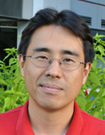
Dr. Lei Zhu
Associate Professor in the Department of Chemistry and Biochemistry at Florida State University, Tallahassee, Dr. Zhu heads a laboratory that studies a number of topics in organic and inorganic chemistry - in particular, the development of new fluorophores and new catalytic reactions, and the mechanistic characterizations of their functions. His research has resulted in dozens of publications in his field. Dr. Zhu was born in China and received his BS in chemistry from Peking University in 1997. After coming to the U.S., he worked with both James Canary of New York University and Eric Anslyn at University of Texas, Austin, before joining the faculty at FSU.
2012 Judges
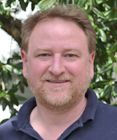
Dr. Paul Maddox
An Assistant Professor in the Department of Pathology and Cell Biology, Université de Montréal, Canada, Dr. Maddox is also a Principal Investigator at Canada's Institute for Research in Immunology and Cancer. His work combines expertise in microscopy with cellular and biochemical approaches to investigate cellular processes, with the goal of understanding the mechanisms of cell division. His team focuses mostly on understanding kinetochores, large protein structures essential for dividing cells. Kinetochores may be ideal cancer therapy targets because their only role seems to involve cell division, making drugs targeting them less likely to affect other cell processes or to produce unwanted side effects. An author of more than 60 research publications, Dr. Maddox also serves on various advisory and editorial boards.

Dr. John M. Murray
Dr. Murray is a member of the Department of Biology at Indiana University. In addition to his faculty duties and research, Dr. Murray is also a long-time instructor of advanced microscopy techniques at the Marine Biological Laboratory in Woods Hole, Massachusetts and other microscopy courses worldwide. Dr. Murray's research focuses on the replication and assembly of daughter cells of the human pathogen Toxoplasma gondii, which infects a third of the human population. In addition to his expertise in optical microscopy and live-cell imaging, Dr. Murray also uses electron microscopy to solve biological problems. He is the author of numerous scientific and educational publications, including a well-regarded review article on laser scanning confocal and deconvolution microscopy in the popular Live-Cell Imaging handbook published by Cold Spring Harbor Press.
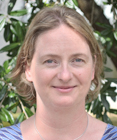
Dr. Alison North
Senior Director of the Bio-Imaging Resource Center and Research Associate Professor at The Rockefeller University in New York City, Dr. North is a cell biologist with expertise in virtually all areas of fluorescence microscopy. Throughout her career, Dr. North has applied a variety of optical microscopy techniques to her research on cell-cell junctions and membrane-cytoskeletal interactions. Among the many advanced optical microscopy techniques she uses are 3D-SIM and STORM super-resolution techniques, laser scanning confocal, live-cell imaging, multiphoton, deconvolution, differential interference contrast, fluorescence recovery after photobleaching (FRAP), fluorescence resonance energy transfer (FRET), spinning disk confocal, laser microdissection, and a variety of techniques applied in digital image processing. Dr. North also has considerable experience with transmission and scanning electron microscopy.
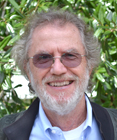
Dr. Peter Saggau
Professor and Principal Investigator in the Department of Neuroscience at Baylor College of Medicine in Houston, Texas, Dr. Saggau also holds secondary appointments in Molecular Physiology & Biophysics at Baylor College of Medicine and in Bioengineering at Rice University. His research focuses on information processing in the brain and is carried out with combined experimental and theoretical approaches, using advanced optical imaging and computational techniques. To overcome the technical difficulties inherent to imaging structure and function of living nerve cells in brain tissue, his group is also developing novel optical and computational tools. His research has resulted in numerous papers and several patents.
2011 Judges
Dr. Douglas B. Murphy
Douglas Murphy is the Director of the Facilities for Light Microscopy, Histology and Cell Culture at the Howard Hughes Medical Institute Janelia Farm Research Campus in Ashburn, VA, and adjunct professor of cell biology at Johns Hopkins Medical School in Baltimore, MD. Dr. Murphy's past research interests in cell biology include the role of microtubules in organelle transport, the polymer dynamics of microtubules, the function of microtubule-associated proteins, and the mechanical and conformational states of the motor protein kinesin. The core facilities at Janelia Farm provide equipment and services in fluorescence and confocal imaging for laboratories throughout the research campus. The microscope facility specializes in confocal imaging, images of large tissue sections, high-throughput imaging of serial mouse brain sections, live cell imaging, and methods for measuring the dynamics of molecules in cells, including fluorescence resonance energy transfer (FRET), fluorescence recovery after photobleaching (FRAP) and total internal reflection fluorescence microscopy (TIRFM). Dr. Murphy has been a significant contributor to review articles and Java tutorials on the Olympus optical microscopy educational websites.
Dr. Robert Campbell
Robert E. Campbell, Ph.D., is associate professor in the Department of Chemistry of the University of Alberta, Edmonton, Canada and the Tier II Canada Research Chair in Bioanalytical Chemistry. He has earned several patents, received numerous awards and fellowships, and published almost 40 papers about fluorescent proteins for biological research. He has given more than 60 invited lectures in his field and has mentored dozens of undergraduate, graduate and Ph.D.-level students. He did his own postdoctoral training in the laboratory of Nobel Laureate Roger Tsien at the University of California, San Diego from 2000-2003.
Wendy C. Salmon
Wendy C. Salmon is the Light Microscopy Specialist at the W. M. Keck Imaging Facility, The Whitehead Institute for Biomedical Research, Cambridge, Mass., which provides microscopy services for MIT, Whitehead and the greater Boston area. Her own research focused primarily on microtubule and actin dynamics prior to her career in core facility management. An experienced imaging specialist, she has served as director or assistant director of the Harvard Medical School, University of North Carolina at Chapel Hill, and Duke University core imaging facilities, and has been the course coordinator of the renowned Analytical and Quantitative Light Microscopy Course at Woods Hole, Mass., for several years.
Dr. Pat Wadsworth
Pat Wadsworth, Ph.D., is professor of biology at the University of Massachusetts, Amherst. The Wadsworth Laboratory focuses primarily on studying and imaging intracellular microtubules to elucidate their role in cell division, intracellular transport and other vital processes. An accomplished photomicrographer and authority in fluorescence imaging, she captured sixth prize in the 2007 Olympus BioScapes Competition. She is currently the Terrance R. Murray Commonwealth Honors College Professor at UMass. She has published more than 60 scientific papers.
2010 Judges
Dr. Douglas B. Murphy
Douglas Murphy is the Director of the Facilities for Light Microscopy, Histology and Cell Culture at the Howard Hughes Medical Institute Janelia Farm Research Campus in Ashburn, VA, and adjunct professor of cell biology at Johns Hopkins Medical School in Baltimore, MD. Dr. Murphy's past research interests in cell biology include the role of microtubules in organelle transport, the polymer dynamics of microtubules, the function of microtubule-associated proteins, and the mechanical and conformational states of the motor protein kinesin. The core facilities at Janelia Farm provide equipment and services in fluorescence and confocal imaging for laboratories throughout the research campus. The microscope facility specializes in confocal imaging, images of large tissue sections, high-throughput imaging of serial mouse brain sections, live cell imaging, and methods for measuring the dynamics of molecules in cells, including fluorescence resonance energy transfer (FRET), fluorescence recovery after photobleaching (FRAP) and total internal reflection fluorescence microscopy (TIRFM). Dr. Murphy has been a significant contributor to review articles and Java tutorials on the Olympus optical microscopy educational websites.
Dr. Catherine G. Galbraith
Catherine Dr. Galbraith is a senior researcher at the National Institute of Child Health and Human Development (NICHD), part of the National Institutes of Health (NIH) in Bethesda, MD, the primary agency of the United States government responsible for biomedical and health-related research. She is also currently a visiting scientist at the Janelia Farm Research Campus of the Howard Hughes Medical Institute, Ashburn, VA. Her work focuses on aspects of nanoimaging and nanotechnology, cell biology, and cellular and molecular neurobiology, including cytoskeletal dynamics and the dynamic molecular organization of structural and signaling scaffolds. A frequent instructor and leading innovator in developing and using emerging imaging technologies and new techniques for light microscopy, Dr. Galbraith employs fluorescence, polarization, confocal and superresolution microscopy techniques in her research.
Dr. Mark H. Ellisman
Dr. Ellisman is Director of the National Center for Microscopy and Imaging Research (NCMIR) at the University of California, San Diego. NCMIR is a national research resource for computer-aided imaging, high voltage and intermediate voltage electron microscopy, serial section reconstruction, and functional correlation with subcellular structures in 3D and 4D. Dr. Ellisman is recognized nationally and internationally for helping to pioneer the development of new technologies that enhance neurobiological and clinical research. His own research projects include many aspects of cellular, molecular, and developmental neurobiology: mechanisms of intracellular transport in neurons; interactions between axons and myelinating glia; aging processes in the central nervous system; cellular interactions during nervous system regeneration; molecular differentiation of excitable membranes, ion channels, neurotransmitter receptors and transmembrane ion pumps; and structural changes in axons and synapses associated with changes in electrophysiological properties.
Dr. Anne K. Kenworthy
Dr. Kenworthy is an Associate Professor of Molecular Physiology & Biophysics, and Associate Professor of Cell and Developmental Biology, at Vanderbilt University, Nashville, TN. Her primary research interests lie in cell membrane structure, along with intracellular trafficking and protein dynamics. Her lab is using a combination of cell biology and quantitative fluorescence microscopy to explore the lipid raft hypothesis, particularly the spatial distribution and dynamics of raft-associated proteins and lipids in cells. To address these questions, she uses a variety of fluorescence microscopy techniques including fluorescence recovery after photobleaching (FRAP) and Förster resonance energy transfer (FRET). Together with biomathematicians, she is developing new methods and models with which to calibrate, measure and quantify protein dynamics in living cells. In addition, she teaches in several quantitative fluorescence microscopy courses.
2009 Judges
Mr. Thomas Deerinck
Thomas Deerinck is a research scientist at the National Center for Microscopy and Imaging Research (NCMIR) at the University of California, San Diego. He specializes in developing biological specimen labeling techniques for many types of microscopies including confocal, multiphoton and electron microscopy as well as electron tomography. He has won numerous awards including first place in the 2006 Olympus BioScapes Competition and the Crowley Award for outstanding contributions to the field of electron microscopy from the Microscopy Society of America in 2008. His work has appeared in such prestigious scientific journals as Nature, Science, and Cell and his images have been featured in various periodicals such as National Geographic, Scientific American, Discover and Time. He is currently working with teams headed by Mark Ellisman, director of NCMIR, and Roger Tsien, winner of the 2008 Nobel Prize in Chemistry, in advancing methods for correlated light and electron microscopic imaging.
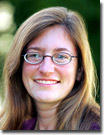
Dr. Julie Theriot
Dr. Theriot is Associate Professor in the Departments of Biochemistry and of Microbiology & Immunology at Stanford University School of Medicine, Stanford, CA. She has worked extensively in the fields of cell motility and locomotion, actin dynamics and intracellular pathogens. She holds two BS degrees (physics and biology) from the Massachusetts Institute of Technology, Cambridge, MA, and a PhD from the University of California, San Francisco in cell biology. A recognized expert in photomicrography, she has captured many images that have appeared in cell biology and microbiology textbooks. She has earned numerous honors in her teaching and research career, including a John D. and Catherine T. MacArthur Foundation Fellowship and the Stanford University School of Medicine Award for Graduate Teaching; she has also been named a Howard Hughes Medical Institute Investigator. She has authored scores of papers, invited reviews and book chapters, and is an author of the book Physical Biology of the Cell; in addition, she has served on several prestigious National Research Council committees and sits on a number of publication editorial boards.
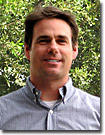
Dr. Kenneth N. Fish
An Assistant Professor in the Translational Neuroscience Program in the Department of Psychiatry at the University of Pittsburgh, Dr. Fish uses knockout and genetic mutants that have subtle neuroachitectural abnormalities to study the functional consequences that mispositioning of a subset of neurons during development has on local circuitry. Studies using these mutants may be helpful in understanding aspects of the neuropathology that result in abnormal brain connectivity associated with schizophrenia, autism, and epilepsies. Optical microscopy techniques utilized in this research include confocal and multiphoton fluorescence imaging, as well as total internal reflection fluorescence (TIRFM) along with traditional widefield fluorescence methods. Dr. Fish also has experience with brightfield imaging modes, including phase contrast, differential interference contrast, and oblique illumination.
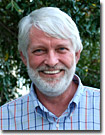
Dr. Douglas B. Murphy
Professor Murphy is the Director of the optical and electron microscopy laboratory at the Howard Hughes Medical Institute in Janelia Farm, Virginia. This resource is a core facility that provides equipment and services in fluorescence, confocal, and electron microscopy to laboratories throughout the research campus. Dr. Murphy's research interests include the dependence of microtubules in organelle transport and related microtubule behavior, including polymer annealing and the mechanism of binding microtubule-associated protein (MAP-2) on microtubule surfaces. He has also explored the mechanical and conformational requirements of the motor protein, kinesin. The core facility specializes in advanced fluorescence techniques (FRET, FRAP, TIRFM), confocal, multiphoton, and time-lapse in multiple fluorescence channels. Dr. Murphy has been a significant contributor to review articles and Java tutorials on the Olympus optical microscopy educational websites.
2008 Judges
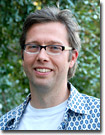
Mr. Wim van Egmond
A winner of numerous awards in the past few years for his stunning photography through the microscope, Wim van Egmond is a freelance photographer based in Rotterdam, the Netherlands. Mr. van Egmond specializes in microscopy of small water-borne creatures using a variety of advanced contrast-enhancing techniques, such as phase contrast, darkfield, and differential interference contrast. He is considered a world-renown expert in stereo imaging for optical microscopy and has produced a large collection of exhibitions, articles, and image galleries that are posted in numerous spots on the web. Mr. van Egmond is also a custom web designer who has completed several commercial, artistic, and educational sites, including the Smallest Page on the Web and the Virtual Pond Dip.
Dr. Claire Brown
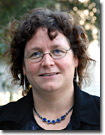
An expert on fluorescence correlation spectroscopy (FCS) and laser scanning confocal microscopy, Dr. Brown is the Imaging Facility Director for the McGill University Life Sciences Complex in Montreal, Quebec, Canada. Dr. Brown has written numerous research articles in FCS as well as educational reviews on the basics of confocal and fluorescence microscopy. Among the techniques offered by Dr. Brown's facility are laser scanning confocal, total internal reflection (TIRF), live-cell imaging, laser micro-dissection, resonance energy transfer (FRET), fluorescence recovery after photobleaching (FRAP), deconvolution, and image correlation spectroscopy. Perhaps the best known faucet of Dr. Brown's teaching efforts is a popular poster entitled: Fluorescence Microscopy - Avoiding the Pitfalls, which was published (and is available as a cost-free download) with an accompanying article in the Journal of Cell Science in 2007.
Dr. John M. Murray
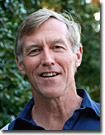
Professor Murray is a faculty member in the Cell and Developmental Biology Department at the University of Pennsylvania School of Medicine. In addition to his faculty duties and research, Dr. Murray is also a avid participant in workshops designed to teach advanced microscopy techniques at the Cold Spring Harbor Laboratory in Long Island, New York. Dr. Murray's research focuses on the replication and assembly of daughter cells of the human pathogen Toxoplasma gondii, which infects a third of the population. In addition to his expertise in all forms of optical microscopy and live-cell imaging, Dr. Murray is also heavily involved in electron microscopy to solve biological problems. He is the author of numerous scientific and educational publications, including an excellent review article on laser scanning, multiphoton, and spectral imaging microscopy in the popular Live-Cell Imaging handbook published by the Cold Spring Harbor Press.
Dr. Douglas B. Murphy
Professor Murphy is the Director of the optical and electron microscopy laboratory at the Howard Hughes Medical Institute in Janelia Farm, Virginia. This resource is a core facility that provides equipment and services in fluorescence, confocal, and electron microscopy to laboratories throughout the research campus. Dr. Murphy's research interests include the dependence of microtubules in organelle transport and related microtubule behavior, including polymer annealing and the mechanism of binding microtubule-associated protein (MAP-2) on microtubule surfaces. He has also explored the mechanical and conformational requirements of the motor protein, kinesin. The core facility specializes in advanced fluorescence techniques (FRET, FRAP, TIRFM), confocal, multiphoton, and time-lapse in multiple fluorescence channels. Dr. Murphy has been a significant contributor to review articles and Java tutorials on the Olympus optical microscopy educational websites.
2007 Judges
Dr. Jason Swedlow
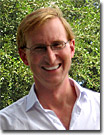
Robert Currently director of a research program at the Wellcome Trust Biocentre at the University of Dundee in Scotland, Dr. Swedlow is a co-creator of the Open Microscopy Environment, which has become an important tool for light microscopists around the world for management of digital image data. Each year, Dr. Swedlow teaches the Analytical and Quantitative Light Microscopy course at the Marine biological laboratory in Woods Hole, Massachusetts, as well as the Live Cell Imaging, Immunocytochemistry, and In Situ Hybridization courses at the Cold Spring Harbor Laboratory in New York. The research focus of Dr. Swedlow's laboratory is on mechanisms and regulation of chromosome segregation during mitotic cell division, and he is considered an authority on deconvolution algorithms and practical applications in fluorescence microscopy.
Dr. Kenneth N. Fish
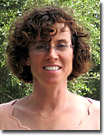
An Assistant Professor in the Translational Neuroscience Program in the Department of Psychiatry at the University of Pittsburgh, Dr. Fish uses knockout and genetic mutants that have subtle neuroachitectural abnormalities to study the functional consequences that mispositioning of a subset of neurons during development has on local circuitry. Studies using these mutants may be helpful in understanding aspects of the neuropathology that result in abnormal brain connectivity associated with schizophrenia, autism, and epilepsies. Optical microscopy techniques utilized in this research include confocal and multiphoton fluorescence imaging, as well as total internal reflection fluorescence (TIRFM) along with traditional widefield fluorescence methods. Dr. Fish also has experience with brightfield imaging modes, including phase contrast, differential interference contrast, and oblique illumination.
Dr. Douglas B. Murphy
Professor Murphy is the Director of the optical and electron microscopy laboratory at the new Howard Hughes Medical Institute in Janelia Farm, Virginia. This resource is a core facility that provides equipment and services in fluorescence, confocal, and electron microscopy to laboratories throughout the research campus. Dr. Murphy's research interests include the dependence of microtubules in organelle transport and related microtubule behavior, including polymer annealing and the mechanism of binding microtubule-associated protein (MAP-2) on microtubule surfaces. He has also explored the mechanical and conformational requirements of the motor protein, kinesin. The core facility specializes in advanced fluorescence techniques (FRET, FRAP, TIRFM), confocal, multiphoton, and time-lapse in multiple fluorescence channels. Dr. Murphy has been a significant contributor to review articles and Java tutorials on the Olympus optical microscopy educational websites.
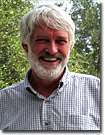
Dr. Douglas B. Murphy
Professor Murphy is the Director of the optical and electron microscopy laboratory at the Howard Hughes Medical Institute in Janelia Farm, Virginia. This resource is a core facility that provides equipment and services in fluorescence, confocal, and electron microscopy to laboratories throughout the research campus. Dr. Murphy's research interests include the dependence of microtubules in organelle transport and related microtubule behavior, including polymer annealing and the mechanism of binding microtubule-associated protein (MAP-2) on microtubule surfaces. He has also explored the mechanical and conformational requirements of the motor protein, kinesin. The core facility specializes in advanced fluorescence techniques (FRET, FRAP, TIRFM), confocal, multiphoton, and time-lapse in multiple fluorescence channels. Dr. Murphy has been a significant contributor to review articles and Java tutorials on the Olympus optical microscopy educational websites.
2006 Judges
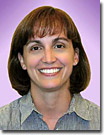
Dr. Sue Aicher
An Associate Professor in the Neurological Sciences Institute at the Oregon Health and Science University in Portland, Oregon, Dr. Aicher is focused on investigation of the cellular mechanisms underlying normal and pathophysiological function in both pain and autonomic reflex pathways. Dr. Aicher also serves on the National Institute of Health study section in Confocal Microscopy. Among Dr. Aicher's areas of expertise in optical microscopy are all modes of brightfield (including phase contrast and differential interference contrast), fluorescence, multiphoton, photoactivation and photoconversion, as well as the advanced techniques mentioned above.
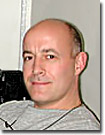
Dr. Simon Watkins
A senior faculty member and Director of the Center for Biologic Imaging at the University of Pittsburgh, Dr. Watkins is primarily interested in the development, assembly, and integration of the dystrophin cytoskeleton and its potential role in establishing and maintaining normal muscle function. In addition, Dr. Watkins spearheads the Quantitative Fluorescence Microscopy course held in Mount Desert Island (Salsbury Cove), Maine each summer. Among the many advanced optical microscopy techniques utilized by Dr. Watkins at the Center are laser scanning confocal, live-cell imaging, multiphoton, deconvolution, differential interference contrast, fluorescence recovery after photobleaching (FRAP), fluorescence resonance energy transfer (FRET), spinning disk confocal, laser microdissection, and a variety of techniques applied in digital image processing. Dr. Watkins also has experience with transmission and scanning electron microscopy. Dr. Watkins has been a significant contributor to review articles and Java tutorials on the Olympus optical microscopy educational websites.
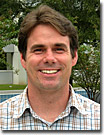
Dr. Kenneth N. Fish
An Assistant Professor in the Translational Neuroscience Program in the Department of Psychiatry at the University of Pittsburgh, Dr. Fish uses knockout and genetic mutants that have subtle neuroachitectural abnormalities to study the functional consequences that mispositioning of a subset of neurons during development has on local circuitry. Studies using these mutants may be helpful in understanding aspects of the neuropathology that result in abnormal brain connectivity associated with schizophrenia, autism, and epilepsies. Optical microscopy techniques utilized in this research include confocal and multiphoton fluorescence imaging, as well as total internal reflection fluorescence (TIRFM) along with traditional widefield fluorescence methods. Dr. Fish also has experience with brightfield imaging modes, including phase contrast, differential interference contrast, and oblique illumination.
Dr. Douglas B. Murphy
Professor Murphy is the Director of the optical and electron microscopy laboratory at the new Howard Hughes Medical Institute in Janelia Farm, Virginia. This resource is a core facility that provides equipment and services in fluorescence, confocal, and electron microscopy to laboratories throughout the research campus. Dr. Murphy's research interests include the dependence of microtubules in organelle transport and related microtubule behavior, including polymer annealing and the mechanism of binding microtubule-associated protein (MAP-2) on microtubule surfaces. He has also explored the mechanical and conformational requirements of the motor protein, kinesin. The core facility specializes in advanced fluorescence techniques (FRET, FRAP, TIRFM), confocal, multiphoton, and time-lapse in multiple fluorescence channels. Dr. Murphy has been a significant contributor to review articles and Java tutorials on the Olympus optical microscopy educational websites.
2005 Judges
Dr. Alison North
Director of the Bio-Imaging Resource Center for the Rockefeller University in New York City, Dr. North is a cell biologist with expertise in virtually all areas of fluorescence microscopy. Throughout her career, Dr. North has applied a variety of optical microscopy techniques to her research on cell-cell junctions and membrane-cytoskeletal interactions. Among the many advanced optical microscopy techniques utilized by Dr. North at the Resource Center are laser scanning confocal, live-cell imaging, multiphoton, deconvolution, differential interference contrast, fluorescence recovery after photobleaching (FRAP), fluorescence resonance energy transfer (FRET), spinning disk confocal, laser microdissection, and a variety of techniques applied in digital image processing. Dr. North also has experience with transmission and scanning electron microscopy.
Dr. George Patterson
A research scientist in the Cell Biology and Metabolism Branch at the National Institutes of Health in Bethesda, Maryland, Dr. Patterson is a widely recognized expert in fluorescent proteins. Among the accomplishments of Dr. Patterson in this arena are his pioneering work in quantitative imaging, including FRAP and FRET of fluorescent proteins, as well as the creation of the first useful photoactivatable version of green fluorescent protein (PA-GFP). Currently, Dr. Patterson is involved with research on the dynamics of endoplasmic reticulum, protein trafficking through the Golgi apparatus, and the dynamics of lipid raft markers. Among his areas of expertise in optical microscopy are all modes of fluorescence, multiphoton, photoactivation and photoconversion, as well as the advanced techniques mentioned above.
Dr. Kenneth N. Fish
An Assistant Professor in the Translational Neuroscience Program in the Department of Psychiatry at the University of Pittsburgh, Dr. Fish uses knockout and genetic mutants that have subtle neuroachitectural abnormalities to study the functional consequences that mispositioning of a subset of neurons during development has on local circuitry. Studies using these mutants may be helpful in understanding aspects of the neuropathology that result in abnormal brain connectivity associated with schizophrenia, autism, and epilepsies. Optical microscopy techniques utilized in this research include confocal and multiphoton fluorescence imaging, as well as total internal reflection fluorescence (TIRFM) along with traditional widefield fluorescence methods. Dr. Fish also has experience with brightfield imaging modes, including phase contrast, differential interference contrast, and oblique illumination.
Dr. Douglas B. Murphy
Professor Murphy is the Director of the optical and electron microscopy laboratory at the new Howard Hughes Medical Institute in Janelia Farm, Virginia. This resource is a core facility that provides equipment and services in fluorescence, confocal, and electron microscopy to laboratories throughout the research campus. Dr. Murphy's research interests include the dependence of microtubules in organelle transport and related microtubule behavior, including polymer annealing and the mechanism of binding microtubule-associated protein (MAP-2) on microtubule surfaces. He has also explored the mechanical and conformational requirements of the motor protein, kinesin. The core facility specializes in advanced fluorescence techniques (FRET, FRAP, TIRFM), confocal, multiphoton, and time-lapse in multiple fluorescence channels. Dr. Murphy has been a significant contributor to review articles and Java tutorials on the Olympus optical microscopy educational websites.
2004 Judges
Dr. James A. Fadool
A faculty member in the Biological Sciences Department at The Florida State University, Dr. Fadool specializes in novel transgenic technologies for identification of transcriptionally active regions of the genome using the zebrafish as a model organism. His other interests include vertebrate embryology, genetic and biochemical mechanisms regulating development and degenerative diseases of the visual system. Much of Dr. Fadool's work involves transfection and selection of stable clones containing gene products linked to cyan and yellow fluorescent protein derivatives for imaging applications in fluorescence microscopy. Among the optical microscopy techniques employed by Dr. Fadool in his research are widefield and confocal fluorescence, brightfield, and phase contrast.
Dr. Victoria Centonze Frohlich
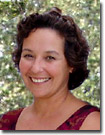
The Associate Director of the Optical Imaging Facility for the Department of Cellular and Structural Biology at the University of Texas Health Science Center at San Antonia, Dr. Frohlich is a practicing cell biologist with a significant interest in the areas of cell motility and early development. Throughout her career, Dr. Frohlich has applied a variety of optical microscopy techniques to her research, including many of transmitted methods mentioned above. Among the advanced fluorescence techniques utilized by Dr. Frohlich are fluorescence recovery after photobleaching (FRAP), fluorescence resonance energy transfer (FRET), photolysis, and optical trapping. Dr. Frohlich also has experience with transmission and scanning electron microscopy.
Dr. Kenneth N. Fish
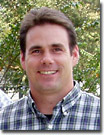
An Assistant Professor in the Translational Neuroscience Program in the Department of Psychiatry at the University of Pittsburgh, Dr. Fish uses knockout and genetic mutants that have subtle neuroachitectural abnormalities to study the functional consequences that mispositioning of a subset of neurons during development has on local circuitry. Studies using these mutants may be helpful in understanding aspects of the neuropathology that result in abnormal brain connectivity associated with schizophrenia, autism, and epilepsies. Optical microscopy techniques utilized in this research include confocal and multiphoton fluorescence imaging, as well as total internal reflection fluorescence (TIRFM) along with traditional widefield fluorescence methods. Dr. Fish also has experience with brightfield imaging modes, including phase contrast, differential interference contrast, and oblique illumination.
Dr. Douglas B. Murphy
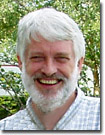
Professor Murphy is the Director of the optical and electron microscopy laboratory at the new Howard Hughes Medical Institute in Janelia Farm, Virginia. This resource is a core facility that provides equipment and services in fluorescence, confocal, and electron microscopy to laboratories throughout the research campus. Dr. Murphy's research interests include the dependence of microtubules in organelle transport and related microtubule behavior, including polymer annealing and the mechanism of binding microtubule-associated protein (MAP-2) on microtubule surfaces. He has also explored the mechanical and conformational requirements of the motor protein, kinesin. The core facility specializes in advanced fluorescence techniques (FRET, FRAP, TIRFM), confocal, multiphoton, and time-lapse in multiple fluorescence channels. Dr. Murphy has been a significant contributor to review articles and Java tutorials on the Olympus optical microscopy educational websites.