2013 BioScapes Winners
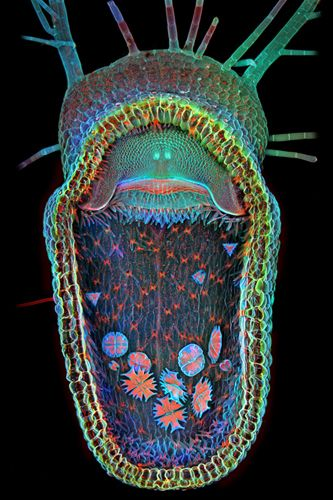
Winner
Dr. Igor Siwanowicz
HHMI Janelia Research Campus
Ashburn, VA, USA
Specimen: Open trap of aquatic carnivorous plant, humped bladderwort Utricularia gibba, with single-cell organisms inside.
Technique: Confocal imaging, 100x
Runners Up
2nd Place
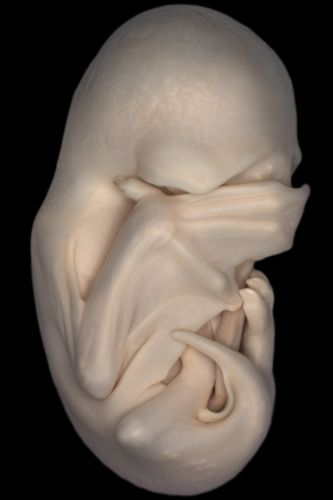
Miss Dorit Hockman
University of Oxford
Oxfordshire, United Kingdom
Specimen: Embryo of black mastiff bat Molossus rufus.
Technique: Stereomicroscopy
3rd Place
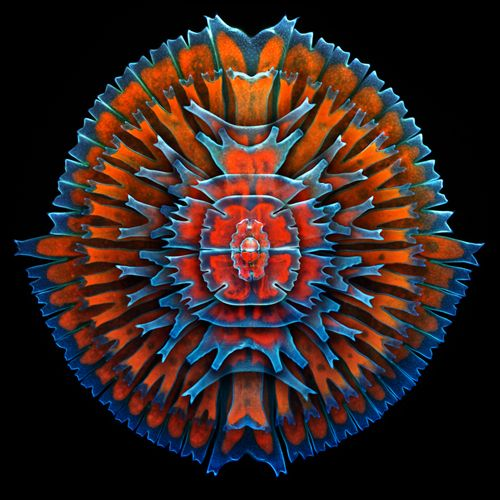
Dr. Igor Siwanowicz
HHMI Janelia Farm Research Campus
Ashburn, Virginia, United States
Specimen: Single-cell fresh water algae (desmids). Composite image including, concentric from the outside: Micrasterias rotata, Micrasterias sp., M. furcata, M. americana, 2x M. truncata, Euastrum sp. and Cosmarium sp.
Technique: Confocal imaging, 400x
4th Place
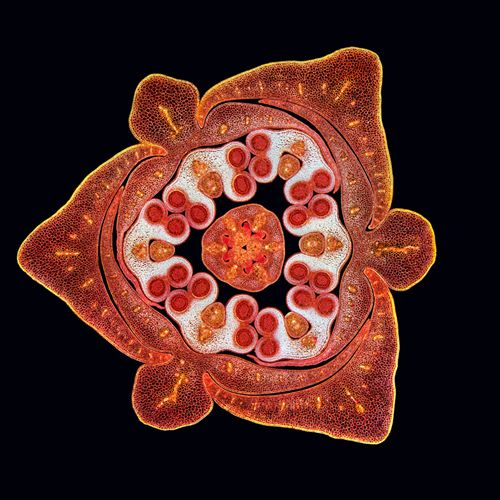
Mr. Spike Walker
Staffordshire, United Kingdom
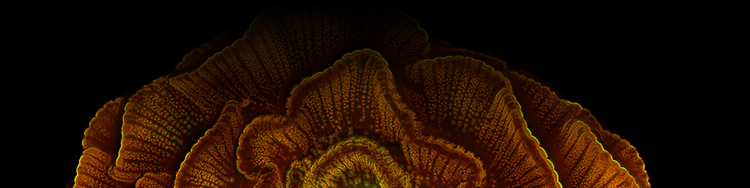
Specimen: Lily flower bud, transverse section.
Technique: Darkfield illumination, stitched images
5th Place
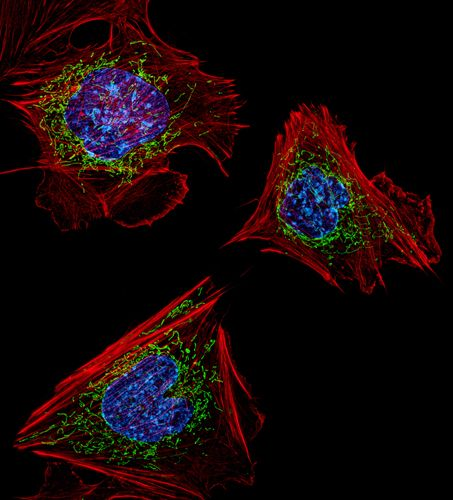
Dr. Dylan Burnette
National Institutes of Health
Bethesda, Maryland, United States
Specimen: Mouse embryonic fibroblasts showing actin filaments (red), mitochondria (green) and DNA (blue).
Technique: Structured illumination microscopy (SIM) fluorescence, acquired with a 60x objective
6th Place
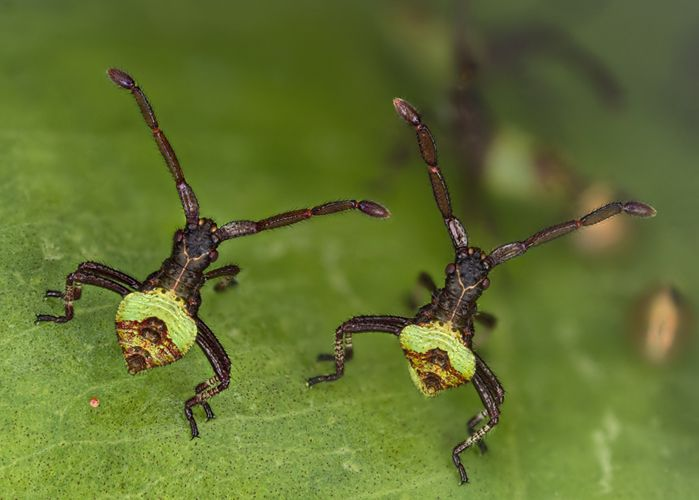
Mr. Kurt Wirz
Basel, Switzerland
Specimen: "Brother bugs." Gonocerus acuteangulatus, two hours old. Size 3mm.
7th Place
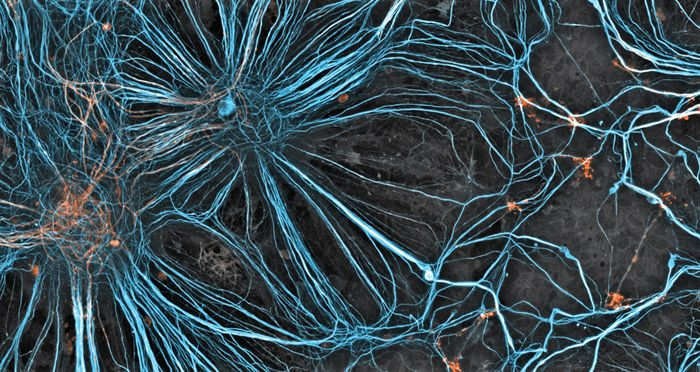
Mr. Charles Krebs
Issaquah, Washington, United States
Specimen: Phantom midge larva (Chaoborus) "Glassworm." Birefringent musculature that is usually clear and colorless is made visible here by specialized illumination.
Technique: Polarized light, 100X
8th Place
Dr. Yaron Fuchs
Howard Hughes Medical Institute/The Rockefeller University
New York, NY USA
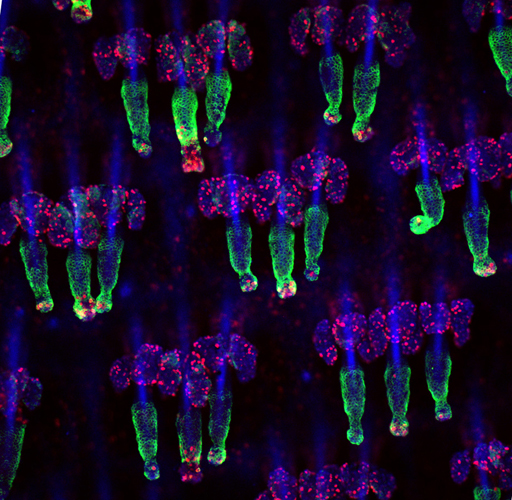
Specimen: Mouse tail whole mounts showing hair follicle stem cells and proliferating cells.
Technique: Confocal imaging
9th Place
Mr. Fabrice Parais
DREAL (Regional Directorate of Environment, Planning and Housing) of Basse-Normandie
Caen, France
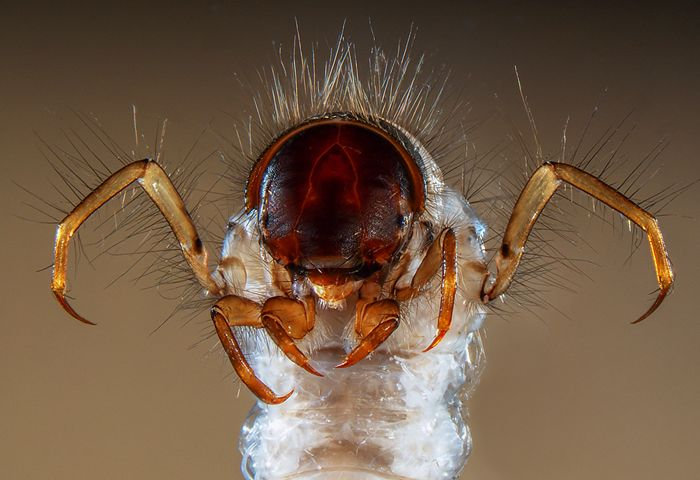
Specimen: Head and legs of a caddisfly larva: Sericostoma sp., a benthic macroinvertebrate that can be used for freshwater biomonitoring; because it is relatively sensitive to organic pollution and dies if water is dirty, it is a good indicator of water quality.
Technique: Stereomicroscopy, 15x
10th Place
Mr. Ralph Grimm
Jimboomba Queensland, Australia
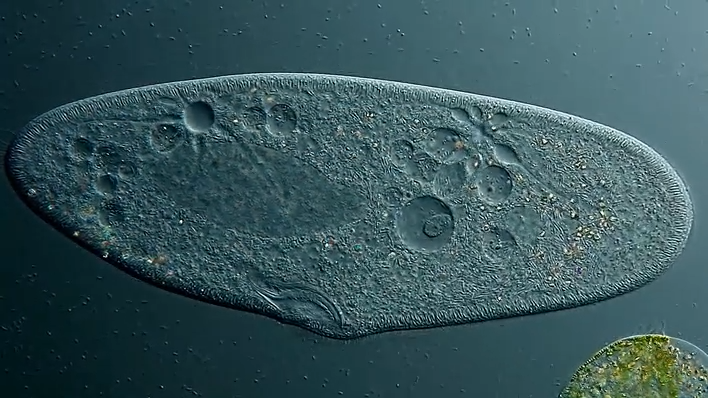
Specimen: Paramecium, showing contractile vacuole and ciliary motion.
Technique: Differential interference contrast, 350x-1000x