University of Colorado Boulder

The University of Colorado Boulder (CU Boulder), founded in 1876, is nationally recognized as one of only 38 AAU public research universities. CU Boulder is a Tier 1 public research university with five Nobel laureates, nine MacArthur fellows and is the No. 1 public university recipient of NASA awards.
CU Boulder is a leader in many fields, including aerospace engineering, earth and environmental science, physics, and environmental law. The school partners with many notable federal research labs, including the National Oceanic and Atmospheric Administration (NOAA), the National Institute of Standards and Technology (NIST) and the National Renewable Energy Laboratory (NREL).

Facility Staff
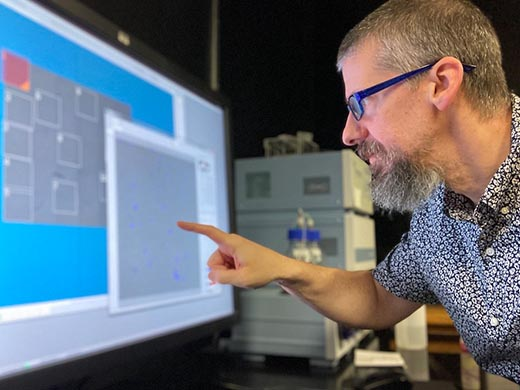
James D. Orth, PhD, Light Microscopy Core Facility Director
Throughout his career, Dr. Orth has studied many aspects of cell and molecular biology, including gene regulation, centrosome biology, membrane trafficking, actin and cell motility, and mitosis – using advanced microscopy as a central approach. His own independent research has focused on cancer therapy development. During anticancer drug response, there is often a disconnect in understanding molecular responses in cells and their fates. This is due to profound heterogeneity within the cancer cell population and tremendous variability in drug responses, which is difficult to study directly. Orth developed quantitative, longitudinal microscopy methods to improve our understanding of therapeutic action. The LMCF under Dr. Orth relentlessly helps investigators apply advanced microscopy to help answer many questions in biology, chemistry, physics and engineering that are outlined above.

In the Spotlight
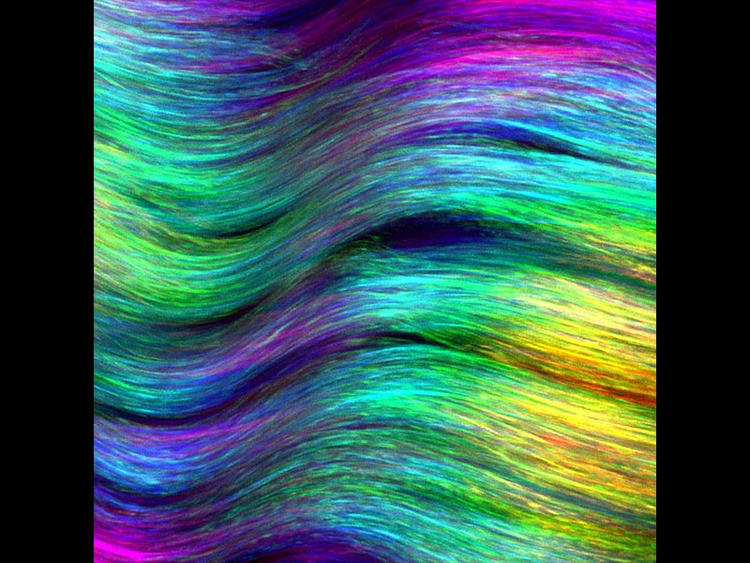
Collagen fibers in a depth projection; magenta is deeper. Image captured at CU Boulder via second harmonic generation using an FVMPE-RS multiphoton microscope with a 25x NA1.05 TruResolution objective. Image by Hannah Larson (Calve laboratory).
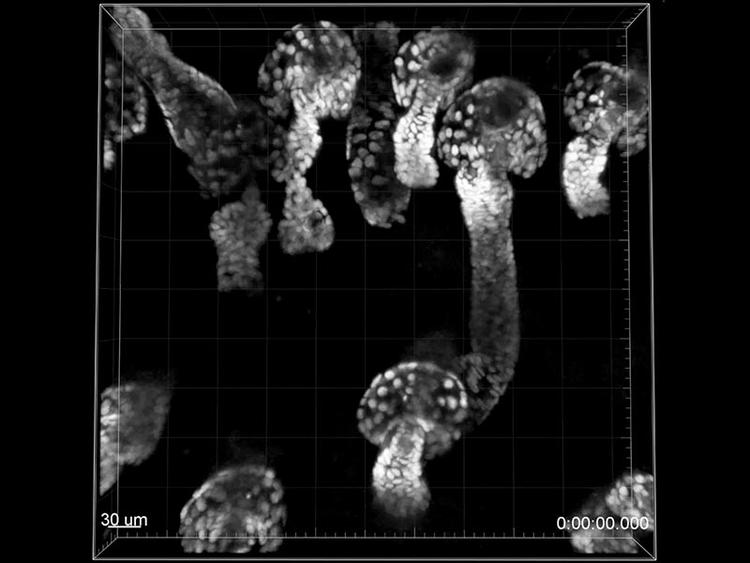
Fluoreszierende Stammzellen im Haarfollikel einer Maus. Das Bild ist ein Standbild einer 3D-Zeitrafferaufnahme zur Untersuchung von Zellteilung und -motilität sowie von Zelltod bei einem lebenden Tier. Aufgenommen an der CU Boulder mit einem FVMPE-RS Multiphotonenmikroskop mit einem 25X NA1,05 TruResolution Objektiv. Bildquelle: Dr. Rui Yi und Kollegen.
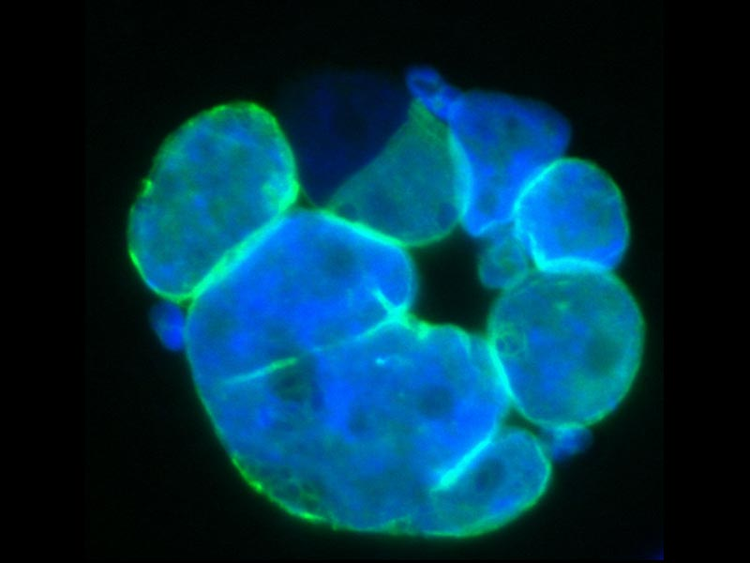
A human cancer cell that survived treatment with the chemotherapeutic, Taxol. Blue is DNA and Green is lamin B. Imaged captured at CU Boulder using an IX81 inverted microscope with a 100x NA1.40 UPlan SApo objective. Image by Dr. James Orth.
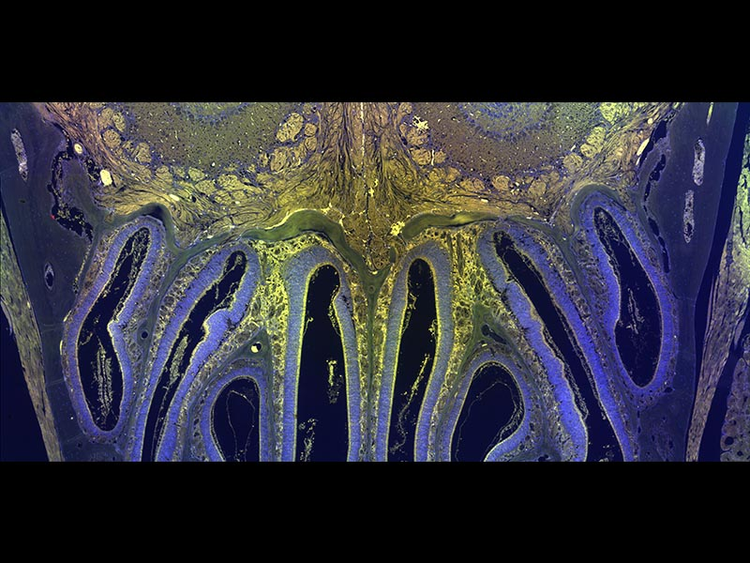
A mouse olfactory apparatus. Large area montage image captured at CU Boulder using an IX81 inverted microscope with a 10x NA0.40 UPlan Apo objective. Image by Dr. James Orth with local biotechnology company.
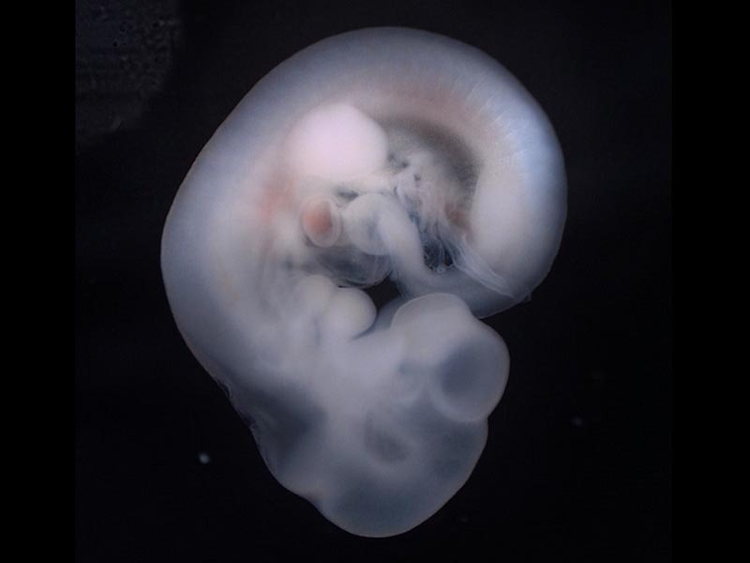
Lateral view of an E10.0 mouse embryo during development. Image captured at CU Boulder using an MVX10 Macro Zoom microscope with reflected light and dark field optics with the MVXPLAPO 1X NA0.25 objective and DP23 camera. Image by Dr. Anneke Kakebeen (Niswander laboratory).
Systems at CU Boulder
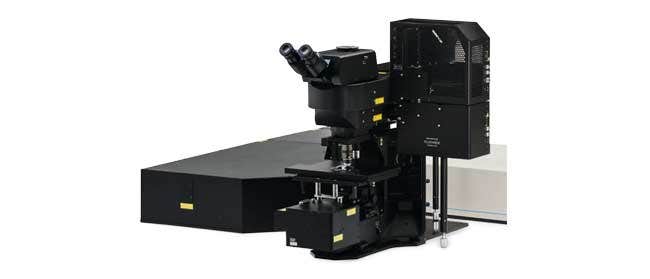
FLUOVIEW™ FVMPE-RS twin multiphoton system
Achieving high-sensitivity, high-resolution imaging deep into biological specimens, the FVMPE-RS twin multiphoton laser microscope reveals how cells function and interact within living tissue.
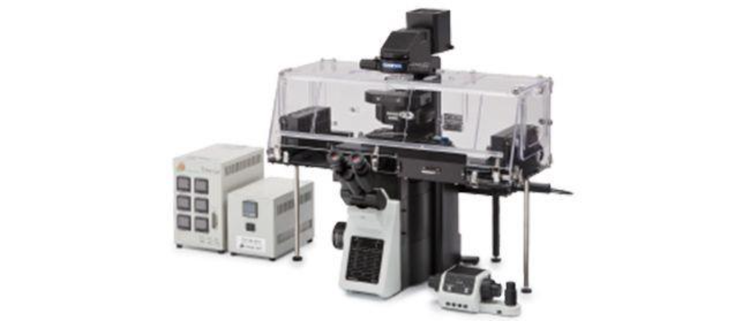
IX83 IXplore™ live cell system
Offering enhanced cell viability for physiological experiments, the IXplore live cell system with its integrated IX83 microscope reduces photobleaching and helps researchers maintain their samples under strict physiological conditions.
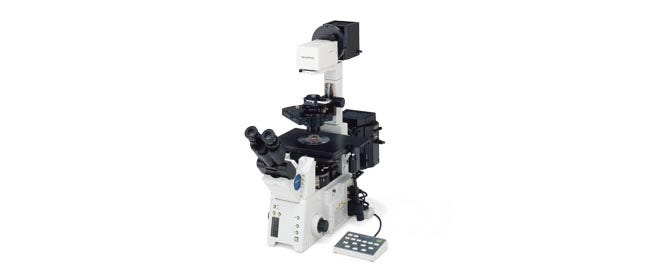
IX81 inverted microscope
Compensating for chromatic aberration over a wide wavelength range and providing flat high transmittance and high SNR, the IX81 system efficiently detects even faint fluorescence signals without damaging the cell and optimizes multicolor observation.
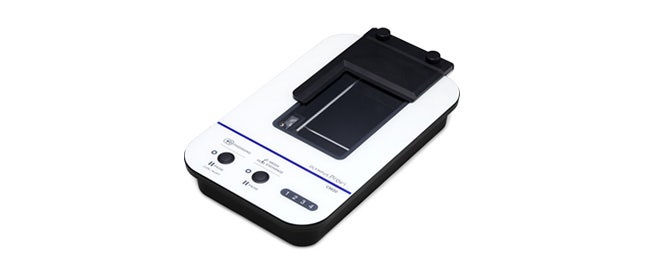
CM20 incubation monitoring system
Enabling remote quantitative data collection from inside an incubator, the CM20 system automatically scans your sample at programmed intervals, counts the number of cells, and determines confluency.

MVX10 macro zoom microscope
Performing highly efficient fluorescence imaging, the MVX10 macro zoom microscope offers flexibility for researchers interested in the impact of gene expression and protein function at the cellular level or within whole tissues, organs, and organisms.
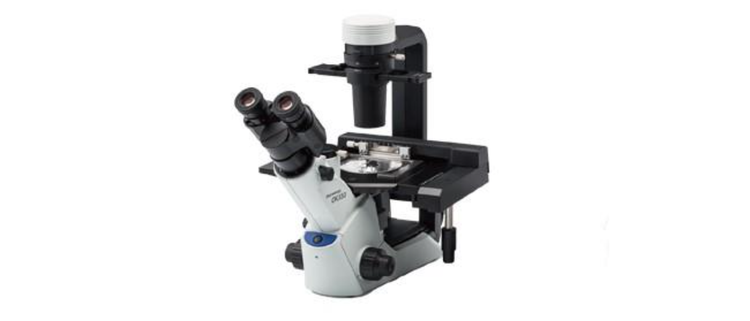
CKX53 cell culture microscope
Providing stable performance and an ergonomic, comfortable workflow for a variety of cell culture needs, the CKX53 system enables fast and easy live cell observation, cell sampling and handling, image capture, and fluorescence observation.