Hepatocyte Organoid Innovation Accelerates Liver Disease Research and Drug Discovery
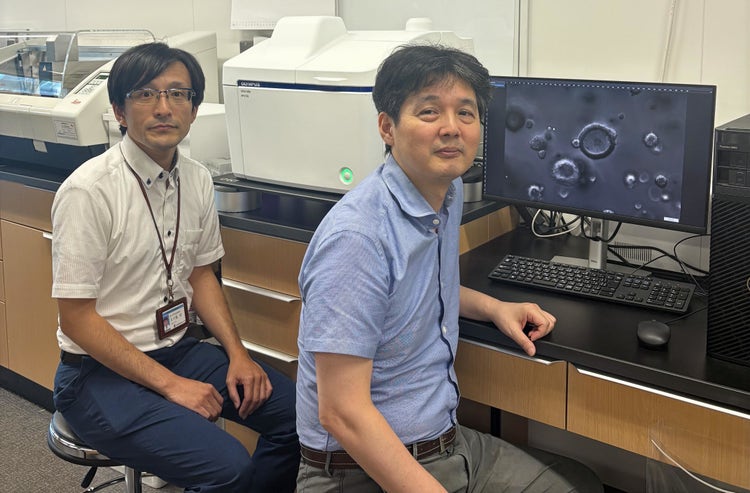
The research team led by Professor Sato at Keio University has developed a novel technology with potential applications in liver disease research, drug evaluation, and cell transplantation. Ultimately, these advancements signal that liver research is entering a transformative new era.
The liver is a multifunctional organ essential for survival, metabolizing carbohydrates, lipids, and proteins, detoxifying drugs, and synthesizing and secreting bile acids. However, primary human hepatocytes are difficult to maintain in long-term ex vivo culture, which has limited their use in drug discovery and disease research.
To overcome these limitations, a research team led by Professor Toshiro Sato of the Department of Biochemistry, Keio University School of Medicine, established a hepatocyte organoid technology that enables long-term culture while preserving hepatocellular functions. Using this approach, the team successfully developed a functional model that recapitulates key hepatic functions, including drug metabolism, bile acid synthesis, and the urea cycle.
These findings are expected to have broad applications, including toxicity testing in drug discovery, elucidation of the pathophysiology of steatotic liver disease, and the advancement of regenerative medicine through cell transplantation.
About the Researchers
Dr. Toshiro Sato
Professor, Department of Biochemistry, Keio University School of Medicine
Professor Sato has made significant contributions to organoid research across multiple organs, including the intestine, liver, and pancreas, and is engaged in the development of technologies to reconstruct functional tissues from tissue stem cells. He serves as the project director for multiple research programs, including the Japan Science and Technology Agency (JST) ERATO Sato Organoid Design Project, and leads organoid research both domestically and internationally.
Dr. Ryo Igarashi
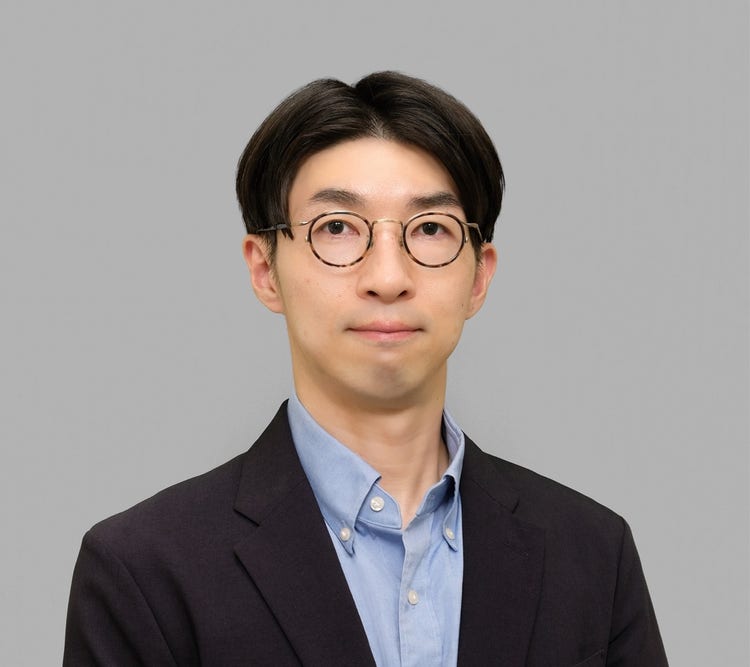
Project Assistant Professor, Department of Biochemistry, Keio University School of Medicine
Dr. Igarashi specializes in hepatocyte organoid culture technologies and functional analyses and is engaged in constructing liver disease models and evaluating drug responses.
What areas of organoid research are you currently focusing on?
Professor Sato: We are currently working on the development of functional organoids that reconstruct not only the morphology of organs but also their functions using human-derived organoids. In particular, through the JST ERATO Sato Organoid Design Project, we aim to reproduce networks that regulate physiological homeostasis from tissue stem cells. We are also advancing the construction of organoids with complex functions, such as absorption, metabolism, secretion, and signal transduction in organs including the liver, intestine, and pancreas.
How were functional hepatocyte organoids developed to replicate key liver functions in vitro?
Professor Sato: The liver performs many essential functions, such as metabolizing carbohydrates, lipids, and proteins, detoxifying drugs, and synthesizing bile acids. If in vitro models capable of reproducing these functions were available, they would greatly facilitate drug discovery, toxicity assessment, and the study of disease mechanisms.
However, conventional primary human hepatocytes (PHHs) rapidly lose their functionality after isolation, making them unsuitable for long-term culture and genetic manipulation. To address this limitation, we used PHHs as the starting material to generate proliferative hepatocyte organoids, also known as expanding human hepatocyte organoids (eHHOs). Through subsequent differentiation induction, we developed differentiated human hepatocyte organoids (dHHOs) that exhibit enhanced expression of drug-metabolizing enzymes, urea cycle enzymes, and bile acid-synthesizing enzymes.
This research, conducted as part of the JST ERATO project, aims to establish organoids not merely as "mini-organs," but as "functional models" that reproduce intrinsic organ functions in vitro. For the liver, it is particularly important to construct models that replicate in vivo structures and functions, such as zonation2 and bile canalicular structures responsible for bile excretion. The current achievement represents a significant step forward in this direction.
Dr. Igarashi: PHHs are highly valuable, but their use has been limited by variability in viability and function. Using the current technology, we achieved stable culture of eHHOs derived from PHHs for more than 100 days, with over a one-million-fold expansion. Through differentiation induction, we were able to reproduce diverse hepatocellular functions in vitro at levels comparable to those observed in vivo. These organoids can also serve as models for steatotic liver disease and congenital metabolic disorders, capturing features such as lipid droplet3 accumulation and drug responses. They have the potential to significantly improve disease reproducibility and enhance the accuracy of drug evaluation.
2 Zonation: Hepatocytes within liver tissue are not homogeneous; the liver consists of numerous lobular structures, with distinct metabolic functions allocated to specific regions. This organization, known as zonation, results in regionally regulated activities such as gluconeogenesis, the urea cycle, and drug metabolism.
3 Lipid droplets: Small spherical structures composed primarily of neutral lipids that accumulate within cells. In hepatocytes, lipid droplet accumulation serves as a key hallmark of steatotic liver disease, making it a critical parameter for monitoring in organoid models.
How does advanced imaging technology support the visualization and analysis of organoid structure and function?
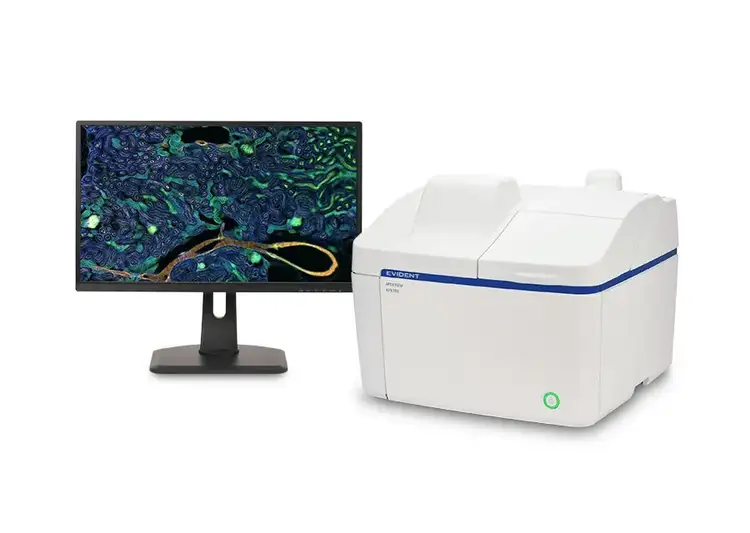
Professor Sato: Hepatocyte organoids are relatively thick, which can make observing internal structures difficult. The gradient contrast method integrated into the APEXVIEW™ APX100 benchtop fluorescence microscope overcomes this limitation, enabling clear visualization of fine details of lipid droplets (Figure 1a). Particularly in the hallmark of steatotic liver disease liver disease models, the ability to visualize both the accumulation and spatial distribution of these droplets serves as a critical metric for validating disease reproducibility.
The gradient contrast method generates high-contrast images even in standard plastic culture vessels, allowing high-quality observation without altering routine culture conditions. Additionally, the system supports long working distance objectives, permitting clear imaging of organoids located at elevated positions within Matrigel (Figure 1b). The ability to monitor organoid status directly during daily culture, without specialized vessels or preparation, offers significant advantages for research efficiency and reproducibility.
Dr. Igarashi: For fluorescence imaging or quantitative data acquisition, obtaining reliable data efficiently is critical. The APX100 can accommodate up to three slide specimens simultaneously, allowing rapid macro-level localization and intuitive operation via the Process Manager, which streamlines the acquisition of stitched images. Its capability for high-resolution, wide-area imaging in a short time enables consistent evaluation of both overall tissue architecture and local structures.
In this study, images acquired with the APX100 clearly demonstrated that human hepatocyte organoids transplanted into mouse liver differentiated and reproduced the liver's zonation structure, with metabolic functions distributed from the portal vein4 to the central vein5 (Figure 2).
By combining high-fidelity image acquisition with operational efficiency, the APX100 serves as a powerful tool for streamlining daily research activities.
4 Portal vein: A key structure within the liver lobule, the portal vein transports nutrients absorbed from the digestive tract, including the intestines, to the liver. Hepatocytes surrounding the portal vein carry out functions related to nutrient metabolism, such as gluconeogenesis and ammonia detoxification.
5 Central vein: A structure within the liver lobule that collects blood processed by hepatocytes and drains it into the systemic circulation. Hepatocytes surrounding the central vein perform functions such as drug metabolism and lipid metabolism.
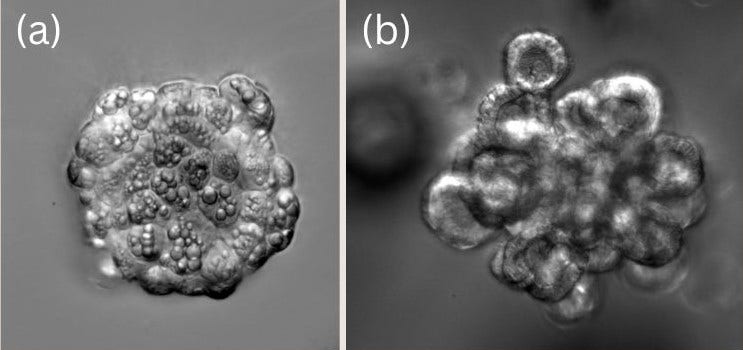
Figure 1. Gradient contrast imaging of hepatocyte organoids captured using the APX100 microscope.
a) Accumulation of lipid droplets in organoids after differentiation induction. Imaging conditions: glass vessel, UPLXAPO40X objective lens. Images courtesy of Professor Toshiro Sato, Keio University School of Medicine.
b) Time-course observation of eHHOs (day 15 of culture of primary hepatocytes) monitored during culture. Imaging conditions: plastic vessel, LUCPLFLN20XPH objective lens, Z-stack imaging (focus points selected from 82 slices).
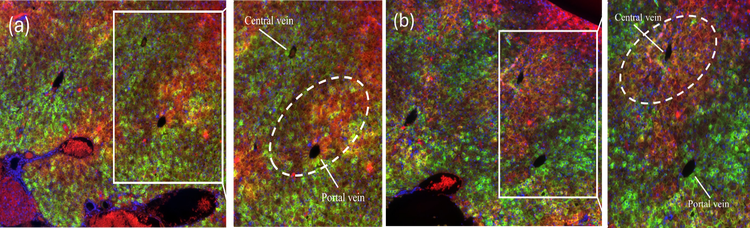
Figure 2. Human hepatocyte organoids (HHOs) transplanted into mouse liver differentiated and established the liver's zonation structure. Images courtesy of Professor Toshiro Sato, Keio University School of Medicine.
Left: (a) Within STEM1216-positive regions (green), HAL7, a marker for hepatocytes surrounding the portal vein, is localized (white dotted line). Nuclei are stained blue. Imaging conditions: Observation vessel: glass slide. Objective lens: UPLXAPO40XO. Observation method: fluorescent tile scan.
Right: (b) Within STEM121-positive regions (green), CYP2E18, a marker for hepatocytes surrounding the central vein, is localized (white dotted line). Nuclei are stained blue. Imaging conditions: Observation vessel: glass slide. Objective lens: UPLXAPO40XO. Observation method: fluorescent tile scan.
6 STEM121: An antibody that recognizes an antigen specifically expressed in human cells, used as a marker to identify human cells transplanted into mouse tissue.
7 HAL (histidine ammonia-lyase): An enzyme highly expressed in hepatocytes surrounding the portal vein. It plays a key role in amino acid metabolism and gluconeogenesis, serving as a functional marker for the liver's nutrient metabolic activity.
8 CYP2E1 (cytochrome P450 2E1): A xenobiotic-metabolizing enzyme highly expressed in hepatocytes surrounding the central vein. It is involved in xenobiotic metabolism and lipid processing, serving as a critical marker for the functional zonation and differentiation of the liver.
How do you see your research evolving in the field of organoid technology?
Professor Sato: Looking ahead, we aim to develop more precise disease models using hepatocyte organoids with disease-specific genetic mutations, accelerating applications in drug discovery and regenerative medicine as alternatives to animal experiments. In particular, organoid technology is expected to play an increasingly important role as a novel therapeutic approach for liver failure and hereditary liver diseases.
In this context, imaging systems must combine high optical performance with user-friendly, intuitive operation. As our laboratory hosts a large number of students, ease of use is a primary factor influencing our overall research efficiency. We anticipate that imaging systems will continue to evolve as indispensable infrastructure, empowering researchers to acquire high-fidelity data with greater speed and consistency.
Favorite Imaging Capabilities for Organoid Research
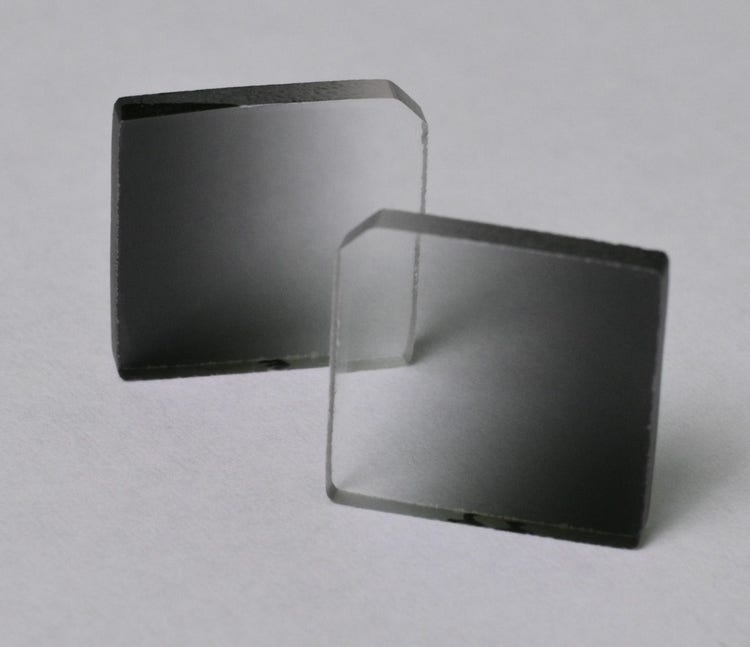
Specially engineered gradient ND filter.
1. Gradient contrast imaging
Evident's proprietary gradient contrast (GC) imaging method is a next-generation transmitted-light technique that provides clear rendering of contours and internal structures, even within thick, transparent specimens.
Unlike conventional differential interference contrast (DIC) or phase contrast (PH) imaging—which require specific optical elements to be inserted into the condenser aperture—gradient contrast imaging uses a gradient ND filter positioned at the objective pupil to gradually modulate light transmission. By simplifying the optical path, this method minimizes illumination artifacts caused by the meniscus or water droplets on the vessel surface, resulting in consistently high-contrast images.
Gradient contrast imaging accurately reproduces cellular boundaries and fine structures without the need for staining, making it an ideal modality for observing live specimens or delicate morphological features (see example from Keio University: Figure 1a).
2. High versatility and compatibility with plastic vessels
DIC imaging relies on polarized light, which is distorted by the inherent birefringence of plastic vessels, making accurate observation challenging.
In contrast, gradient contrast imaging doesn’t use polarized light, enabling stable imaging in plastic vessels and flexible application for routine monitoring of cell conditions.
When paired with long working distance objectives, such as the LUCPLFLN series, gradient contrast imaging can accommodate thick specimens or vessels with elevated bottoms, supporting observation without restrictions on specimen type or container. This capability enables a wide range of applications (see example from Keio University: Figure 1b).
3. High-performance objective lenses
When paired with X Line™ UPLXAPO objectives—a high-performance objective lens series—gradient contrast imaging achieves ultra-high-resolution rendering with minimal optical aberration, delivering image quality suitable for high-level scientific publication.
The LUCPLFLN series is another high-performance objective lens series that provides outstanding optical quality and versatility. When combined with gradient contrast imaging, it delivers sharp, high-resolution visualization, enhancing the quality of organoid observations during daily culture.
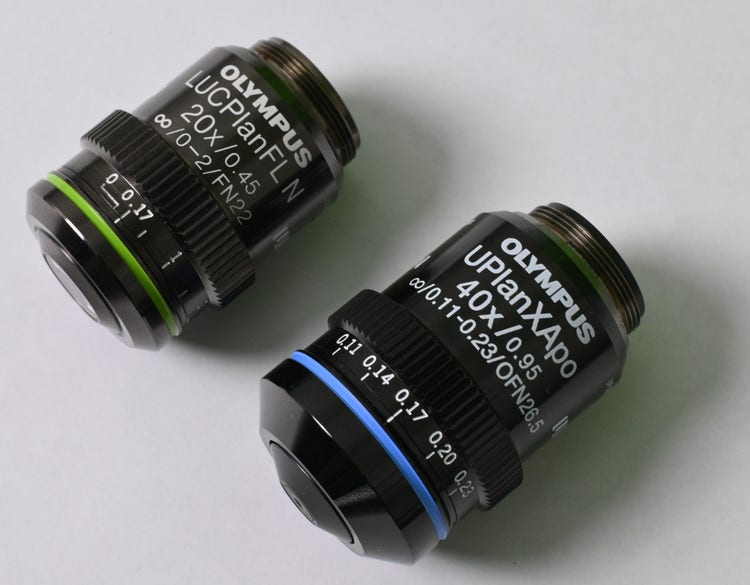
LUCPLFLN (left) and UPLXAPO (right) series objective lenses.
References
For detailed information on this study, please refer to the following publication:
Igarashi, R., Oda, M., Okada, R., Yano, T., Takahashi, S., Pastuhov, S., Matano, M., Masuda, N., Togasaki, K., Ohta, Y., Sato, S., Hishiki, T., Suematsu, M., Itoh, M., Fujii, M., and Sato, T. 2025. “Generation of Human Adult Hepatocyte Organoids with Metabolic Functions.” Nature.
Disclaimer: The opinions and statements expressed in this interview are those of the individual researcher and do not necessarily reflect the views or claims of Evident. The products and technologies mentioned are intended for research use only and are not designed for clinical or diagnostic applications.
Featured Products
APX100
Benchtop Fluorescence Microscope
The APEXVIEW APX100 benchtop fluorescence microscope makes it fast and simple to acquire expert-quality images. Built with renowned Evident optics, an intuitive user interface, a powerful AI, and a suite of smart features, the APX100 system combines ease of use with high-quality image data to fit your research needs.
- Easy-to-use, all-in-one microscope system
- Publication-quality images in a few clicks
- Fast, efficient data management