Light Microscopes
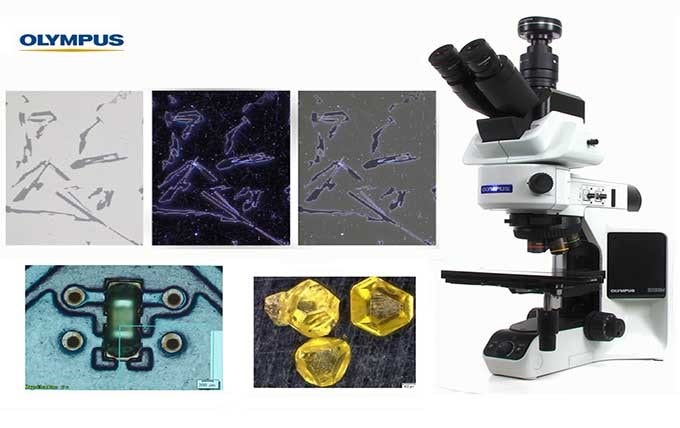
Types of Light Microscopes
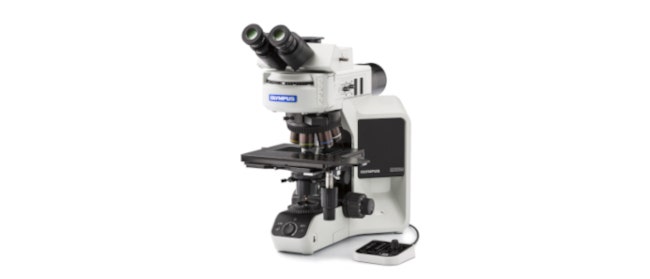
BX53M
Industrial Upright Microscope
Designed with modularity in mind, the BX3M series provides versatility for a wide variety of materials science and industrial inspection applications.
- Modular design with configurations for general or specialized observation
- Intuitive, ergonomic controls simplify complex tasks and improve reproducibility
- Automated light intensity manager for consistent illumination
- Advanced optics and contrast options for accurate, reliable inspections
- IR objective options to view semiconductor patterns through silicon
- PRECiV integration for a seamless workflow from imaging to reporting
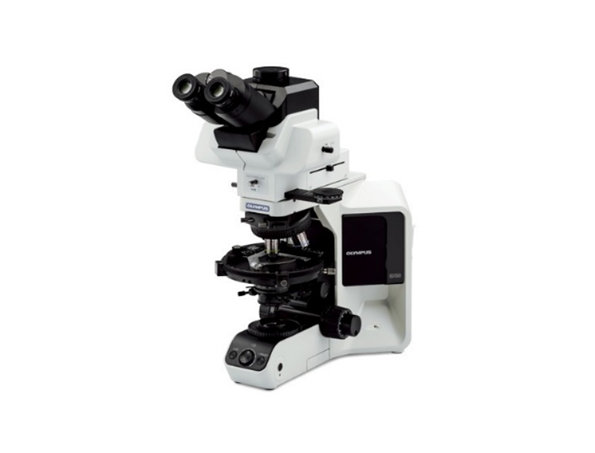
BX53-P
Polarizing Upright Microscope
The BX53-P microscope provides exceptional performance in polarized light applications through its advanced UIS2 infinity-corrected optics and distinctive optical design.
- Specialized design for observation of birefringent and anisotropic materials
- Wide range of compensators for diverse observation and measurement needs
- Polarized light lenses reduce internal strain for excellent image contrast
- Bertrand lens option supports orthoscopic and conoscopic observations
- PRECiV integration for a seamless workflow from imaging to reporting
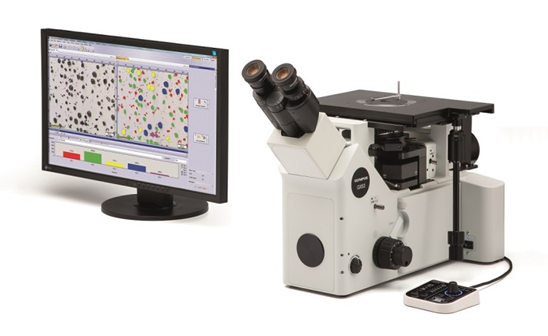
GX53
Inverted Metallurgical Microscopes for Materials Analysis
The GX53 microscope delivers high clarity and reliable performance for metallurgical inspection, enabling efficient analysis of metals and industrial materials.
- Design suited for polished metals, welds, and large or heavy samples
- High‑resolution images under brightfield, darkfield, DIC, or MIX observation
- Modular accessories meet a variety of metallurgical inspection needs
- Long working distance objective options support faster inspections
- PRECiV integration for compliant metallurgical analysis workflows
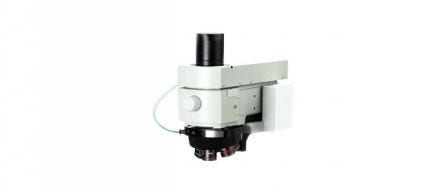
Modular Microscopes
Our modular microscope range offers optical modules that can be integrated into sophisticated inspection systems to optimize performance. Select from our flexible line up of options—from manual to motorized components.
Related Applications
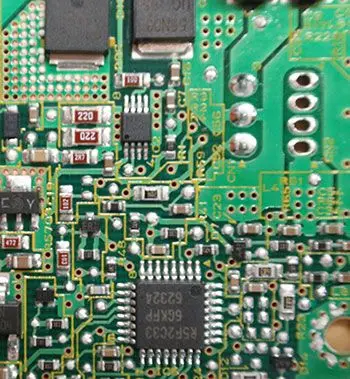
Using a Microscope to Inspect the Solder Wettability of Mounting Components
After electronic components are mounted on a printed circuit board, they are visually inspected to determine whether they are mounted properly. In the past, the boards were photographed using a CCD camera to check the condition of the mounting. One problem with this method is that light from the camera can reflect off the solder, making it difficult to capture clear images of the mounted components. To compensate, inspectors adjust the illumination for each board being photographed, but this is difficult to do without any human error.
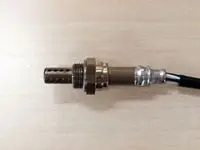
Microscopic Inspection of O2 Sensor Housing Cover
A vehicle’s overall quality is equal to the sum of its parts, and it is imperative for manufacturers to maintain rigid standards of excellence for every component. Manufacturers must also take into account requirements such as emission reduction, fuel efficiency, long-term durability, and regulatory standards. The increasing complexity of auto parts and components also requires manufacturers to place a strong emphasis on material characteristics, fitting tolerances, and technical cleanliness, which all play a strong role in the long-term durability, durability, and life-expectancy of the final product.

Quantitative Analysis Of Pashmina Wool Using An Industrial Microscope
Pashmina, a fine type of cashmere wool, comes from the hair of cashmere goats and is one tenth the size of human hair. Inspectors must analyze this luxury fiber during manufacturing to ensure product quality.
However, it can be difficult to analyze the composition of Pashmina wool and other animal fiber blends. Many wool fibers share similar surface characteristics, such as diameter and scale density, making it challenging to distinguish between them.
Related Categories
Compound Light Microscope FAQs
Light Microscope Resources
Blog: What Is a Digital Microscope?
This blog post shares what a digital microscope is, explores how it works, discusses the benefits of using one, and provides some applications.