scanR High-Content Screening System
Achieve fully automated image acquisition and data analysis of biological samples using the scanR high-content screening station. Design individualized assays for cell cycle, protein localiazation, intracellular transport and more. Modular hardware is compatible with a range of additional systems, including spinning disk confocal, robot loading, incubation, TIRF, and FRAP systems.
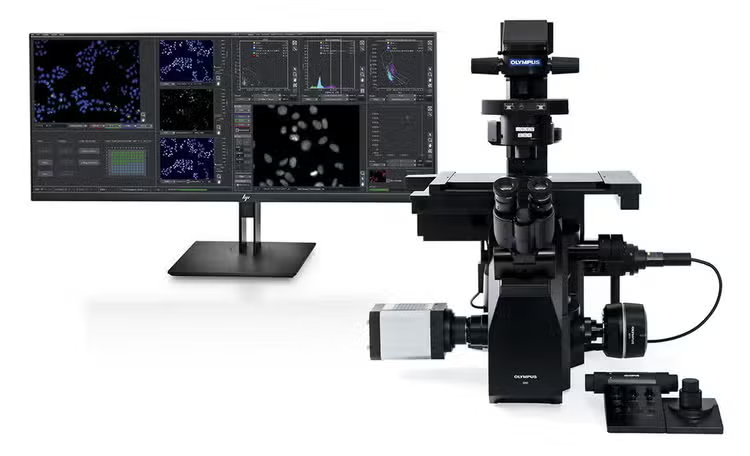
scanR High-Content Screening Station for Life Science
Overview
Modular High-Content Screening Station for Life Sciences
The scanR modular microscope-based imaging platform provides fully automated image acquisition and data analysis of biological samples through deep-learning technology.
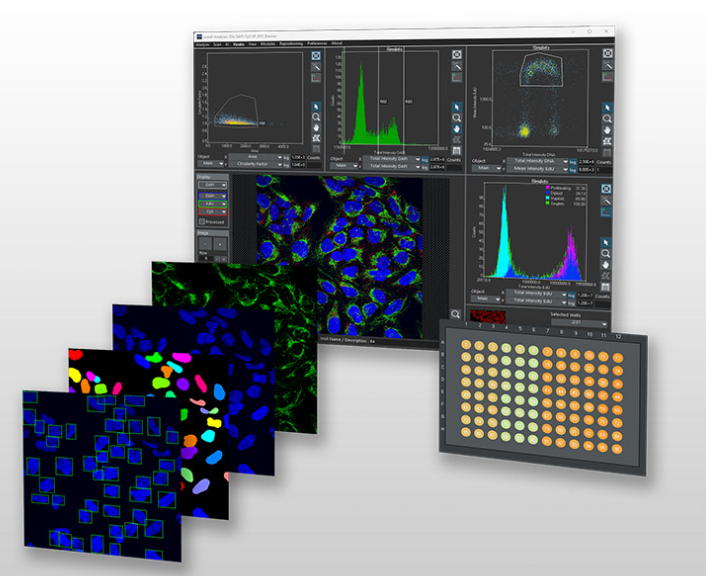
Powerful Data Visualization for Interactive Analysis
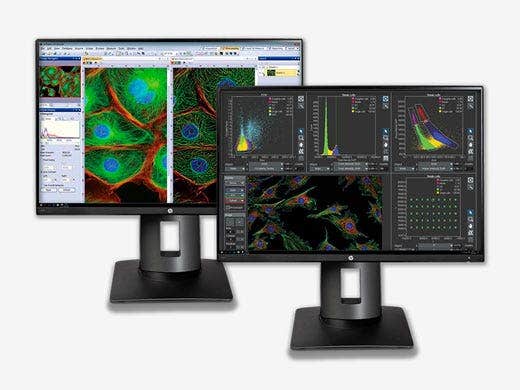
The scanR system excels in data analysis and evaluation—either offline or in parallel with data acquisition. Using AI and deep-learning techniques, the system detects objects such as cells or nuclei without user intervention. Its powerful cytometry data analysis is designed to meet the specific demands of analyzing large cell populations.
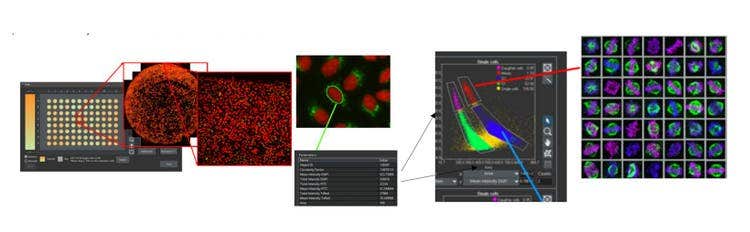
Bidirectional links between all data points, time curves, cell galleries, and image data facilitate comprehensive sample evaluation, from single-cell analysis to cell populations of millions. Each data point remains fully traceable to its original image, supporting transparent and reproducible analysis. The system makes it easy to set up reliable quantitative assays in minutes.
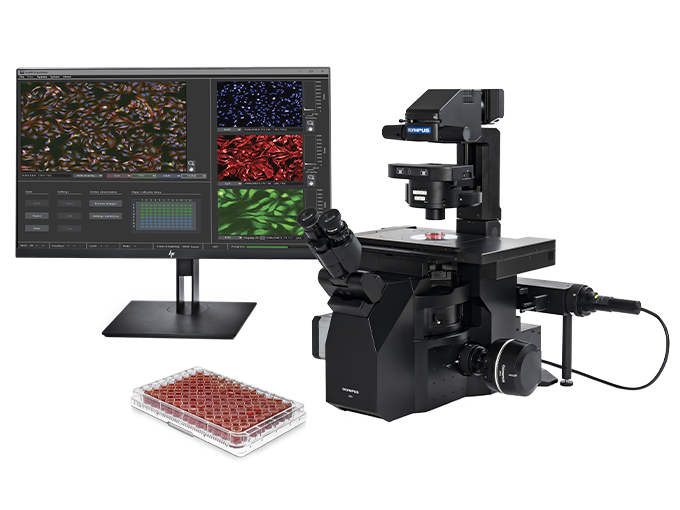
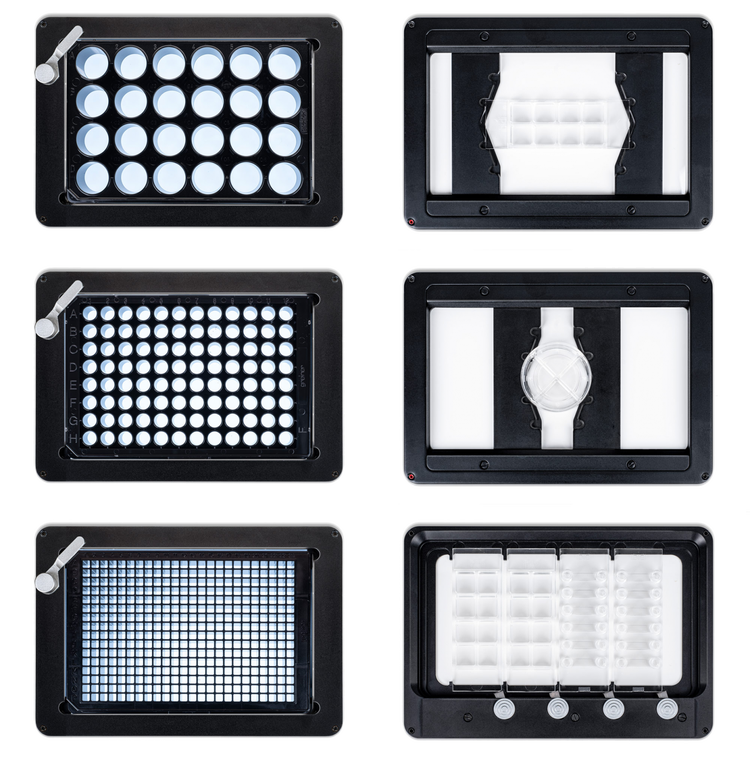
Fast, Automated Workflow for High-Content Screening
The scanR screening station combines the modularity and flexibility of a microscope-based setup with the automation, speed, and throughput demanded by high-content screening. The system’s flexible design enables it to meet the requirements for quantitative imaging and image analysis in modern cell biology, molecular biology, systems biology, and medical research.
- Fully automated image acquisition and data analysis of biological samples
- Designed for multiwell plates, slides, and custom-built arrays
- Powerful analysis module for biological functional assays
- Ideal for assay development and high-content screening
- Accommodates fixed and live cells
AI-Assisted Object Detection and Image Enhancement
Our TruAI technology’s advanced analysis capabilities help simplify assay development. Powerful deep-learning technology minimizes photobleaching and improves acquisition speed, measurement sensitivity, and accuracy, enabling longer observations with reduced impact on cell viability.
TruAI segmentation networks are designed to provide robust segmentation and classification, even in complex samples with artifacts, intensity fluctuations, or background signals. TruAI enhancement networks also improve image quality by generating clear images from noisy data or removing out-of-focus signals.
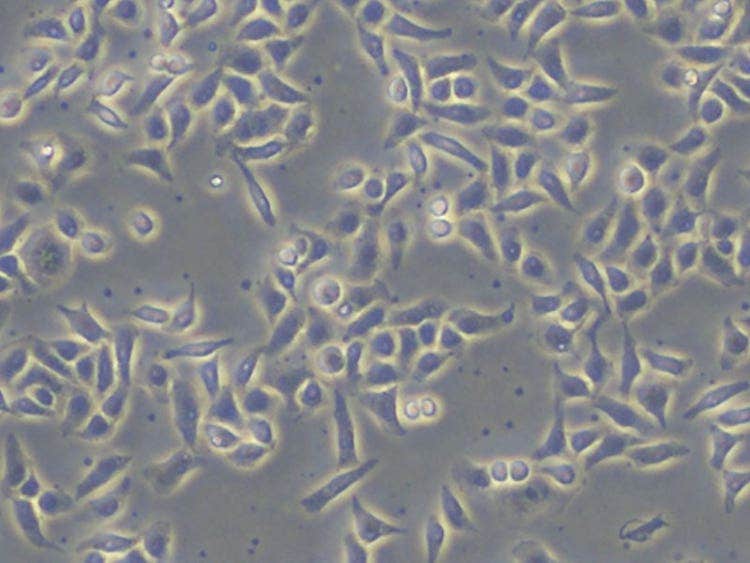
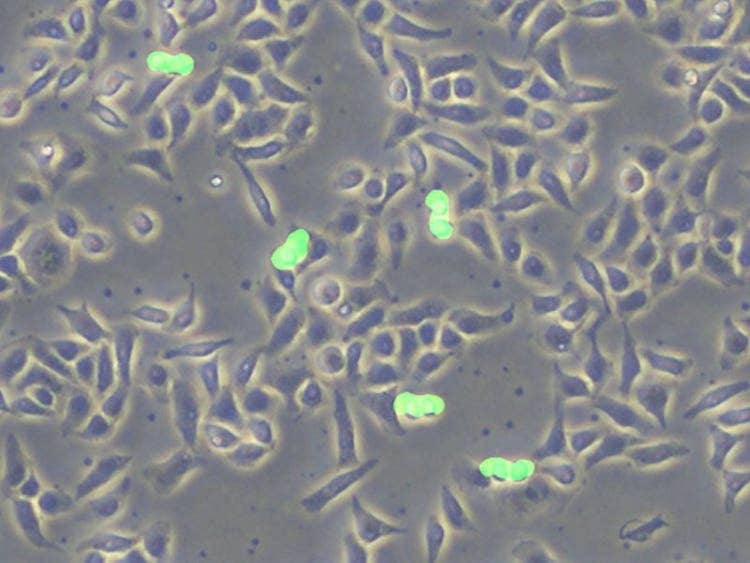
Only the dividing cells are detected (bottom)
Prediction of mitotic cells using TruAI (green).
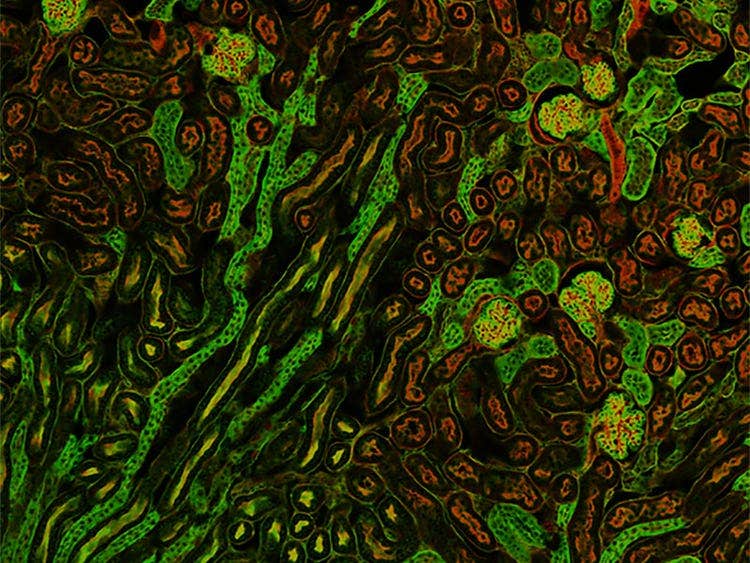
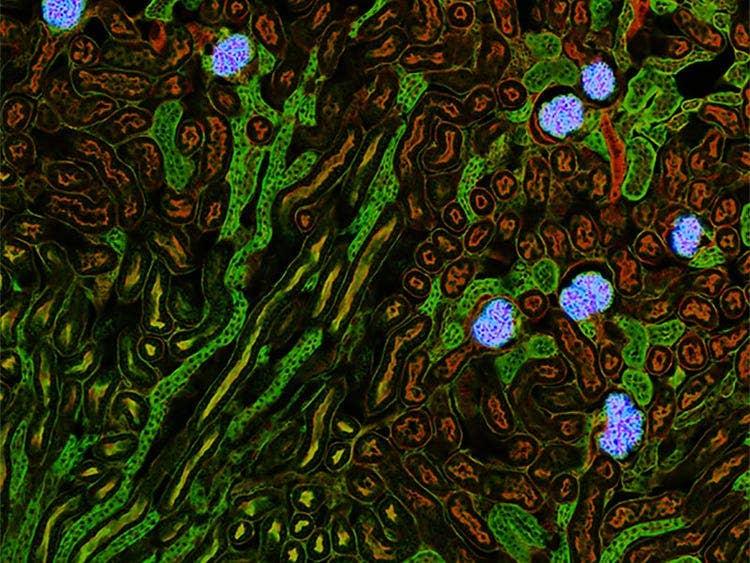
TruAI detects the glomeruli features (bottom)
Prediction of glomeruli positions on a mouse kidney section using TruAI (blue).
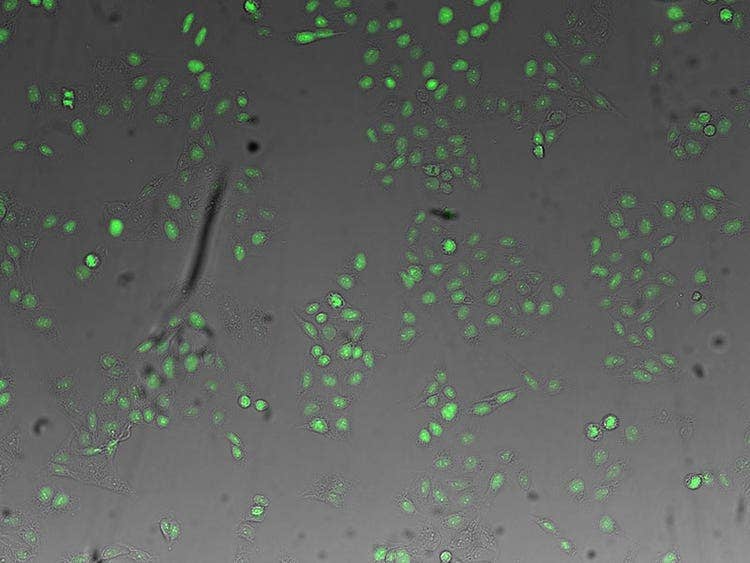
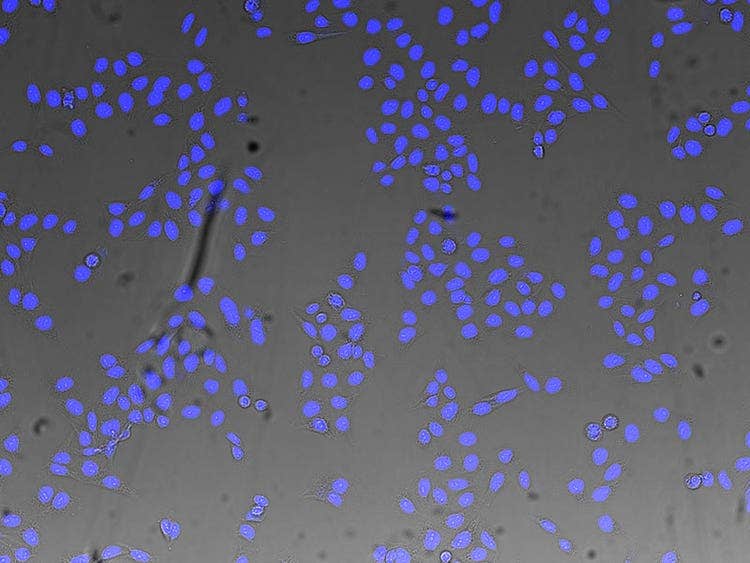
(green) fluorescence image of nuclei, (blue) nuclei detected from brightfield image by TruAI technology
Green: You can see that the detection accuracy is low due to the unevenness of the GFP label.
Blue: Detecting the nuclei with high accuracy despite scratches and dust on the vessel.
Meets the Needs of Many Assays
The scanR assay-based analysis is reproducible and reliable, and it easily integrates into your workflow. With real-time results parallel to the acquisition, assays can be customized and adapted to a wide range of applications.
The system excels in drug discovery applications, including showing the biochemical effects of compounds on the cellular level and drug-induced changes at gene expression levels. The solution can measure apoptosis, micronuclei, or DNA fragmentation (comet assays) and covers a wide range of screening applications:
- Cell counting
- Gene expression
- Cell proliferation
- Promyelocytic leukemia (PML) body assays
- Bacterial and viral infection assays
- Cell-array screens
- Protein localization and colocalization
- Live cell assays, including kinetic analysis and gating on resulting response curves
- Multicolor assays
- Rare event analysis
- Automated FISH analysis
- Fluorescence analysis in tissue sections
- Cell migration
- T-cell invasion
- Cell viability
- Quality control
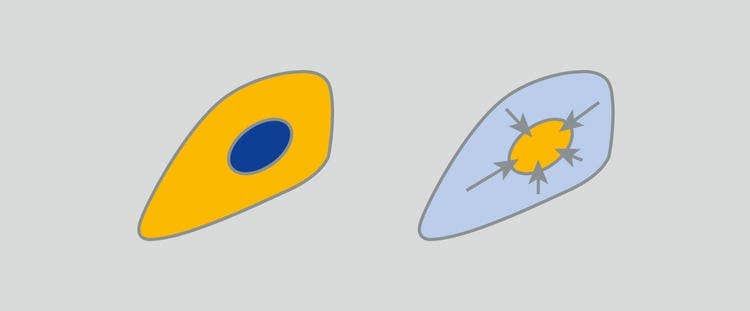
Location and Transport
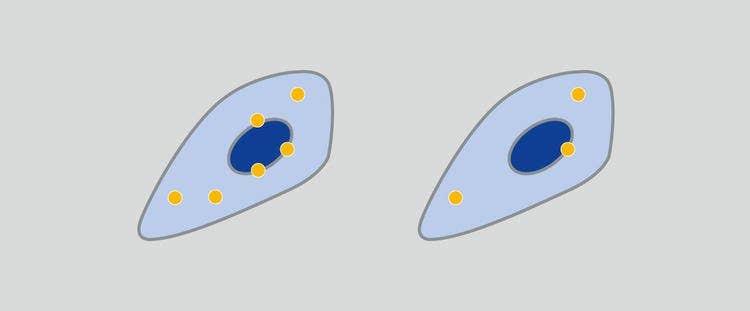
Parent-Child Analysis

Cell Cycle
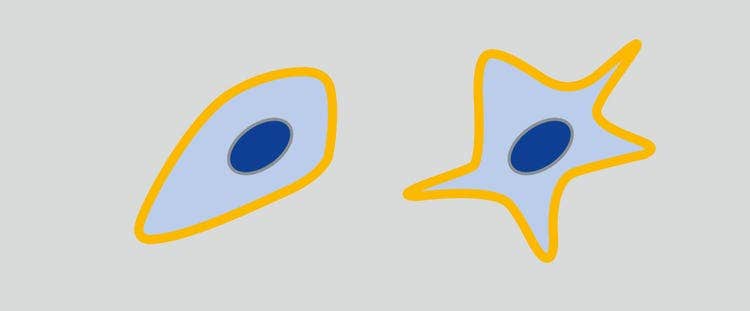
Morphology
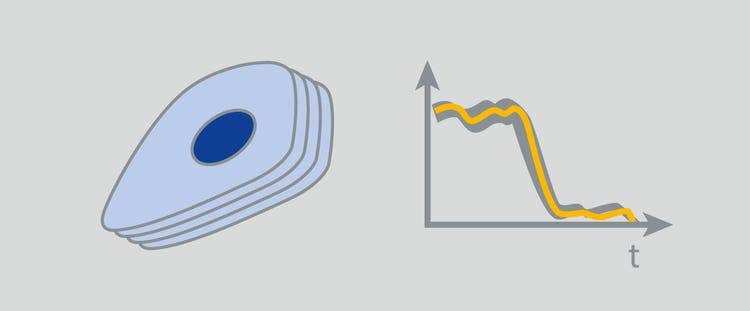
Dynamic Processes
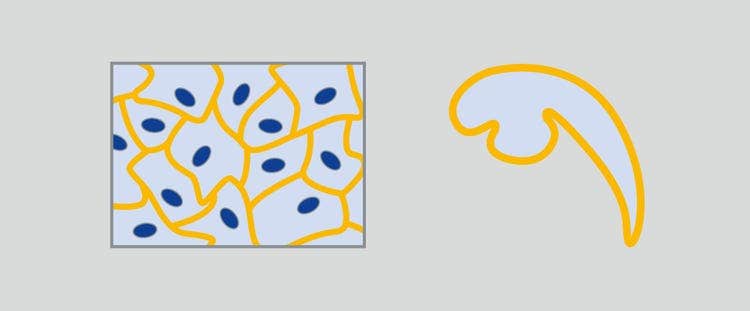
Tissue and whole organism
Flexible, Modular Hardware
The scanR screening station combines the modularity and flexibility of a microscope-based setup with the automation, speed, and throughput demanded by high-content screening. Well-suited for standard assays and assay development, the modular design makes the scanR station adaptable to R&D lab applications or multiuser environments.
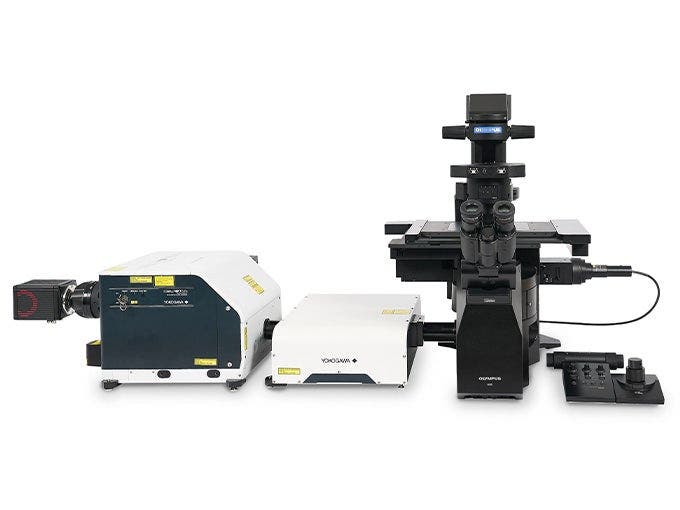
IXplore™ IX85 SpinSR Super-Resolution Microscope System
- Compatible with our IXplore SpinSR super-resolution microscope system incorporating the Yokogawa CSU-W1 scanner unit
- Micro-lens-based disks and laser excitation provide seamless confocal image quality at high speed
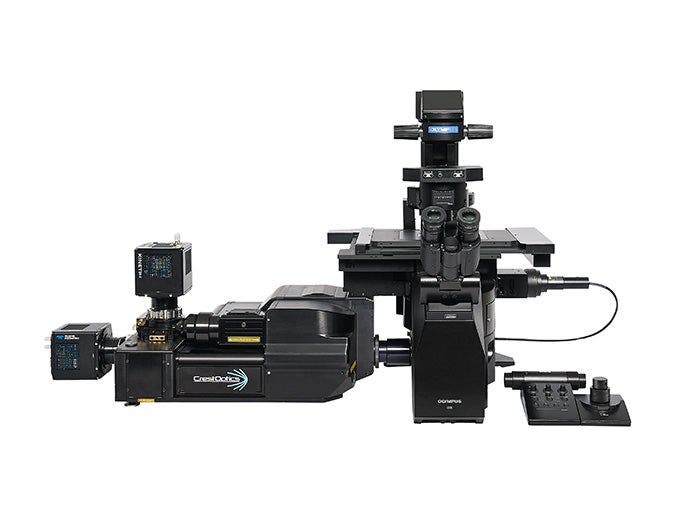
IXplore™ IX85 SpinXL Spinning Disk Confocal System
- Compatible with our IXplore SpinXL microscope system incorporating the CrestOptics scanner unit
- Micro-lens-based disks and laser excitation provide seamless confocal image quality at high speed
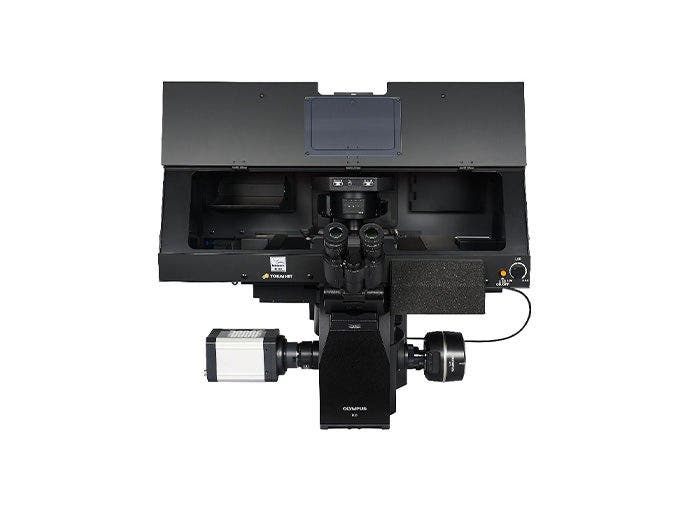
Incubation System
- Add any IX85 compatible incubation system for stringent control of temperature, humidity, and CO2 levels
Robot Loading System
- Use with a plate-loading robot system for automated high-throughput screening
TIRF* and FRAP System (with cellSens™ Software)
- Use with our IXplore series and cellSens software to perform advanced imaging experiments such as TIRF and FRAP
*Only TRIF-1L is compatible with IX85 frames.
Applied Technologies
Gating and Classification
- The powerful data-analysis concepts successfully applied in cytometry are adapted to suit the demands of analyzing large-image datasets.
- Multidimensional image data are displayed in two-dimensional scatter plots or one-dimensional histograms; clustered data populations of interest can be selected using graphical tools.
- Gates from different plots can be combined with Boolean operators to create complex classification schemes.
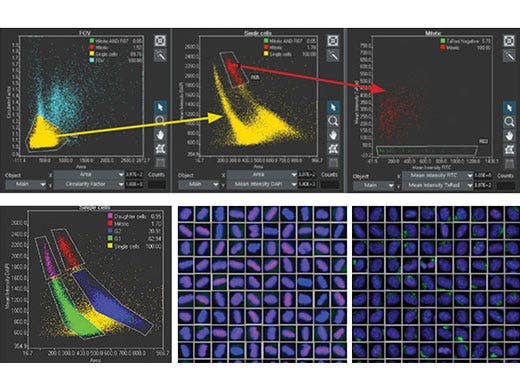
A hierarchical gating approach enables intuitive selection of populations, which may also be visualized in galleries.
Self-Learning Microscopy
Self-learning microscopy opens new horizons in high-content analysis. Applications range from previously impossible image segmentation and classification tasks to quantitative analysis of extremely low signal levels, simplifying staining protocols, label-free analysis, and more.
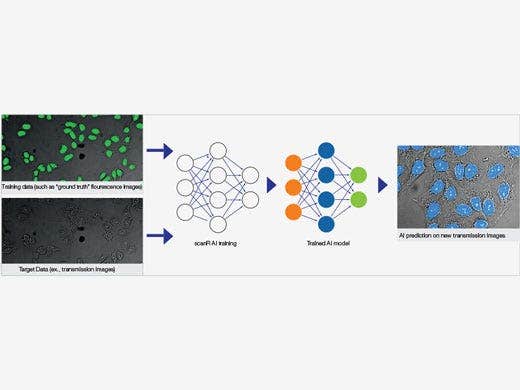
Example workflow using self-learning microscopy to generate an AI model for label-free analysis of challenging brightfield images. The cell nuclei of Hela cells are GFP-labeled for the training phase to show the system how to analyze the brightfield images.
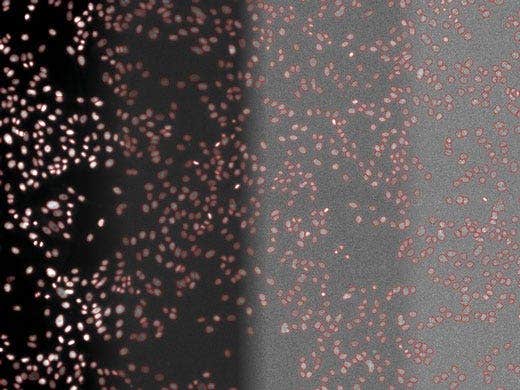
Example application: Robust segmentation of cell nuclei at different signal levels, enabling a dramatic reduction of light exposure for quantitative analysis.
The user has full control of the training experiment design.
Many challenging analysis conditions can be covered during the training phase.
The learned AI analysis protocol can be validated in depth and with ease with the software’s unique data exploration and analysis interface.
Get Started Quickly
The included pre-trained neural network models enable you to start using the AI fast. Using the pre-trained models, you can begin detecting nuclei and cells in most standard conditions. Even confluent cells and dense nuclei can be reliably distinguished.
Control and validation measures are built in to help ensure the accuracy and robustness of the AI analysis results.
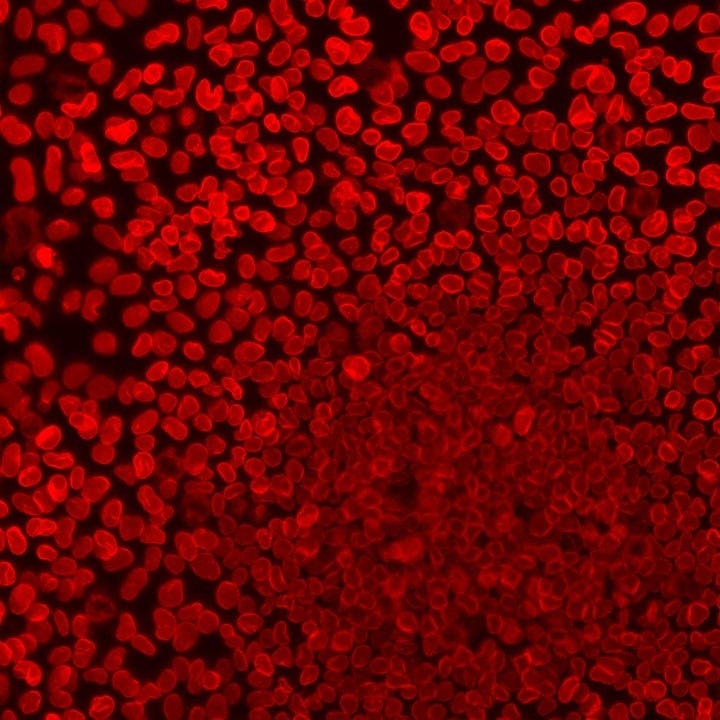
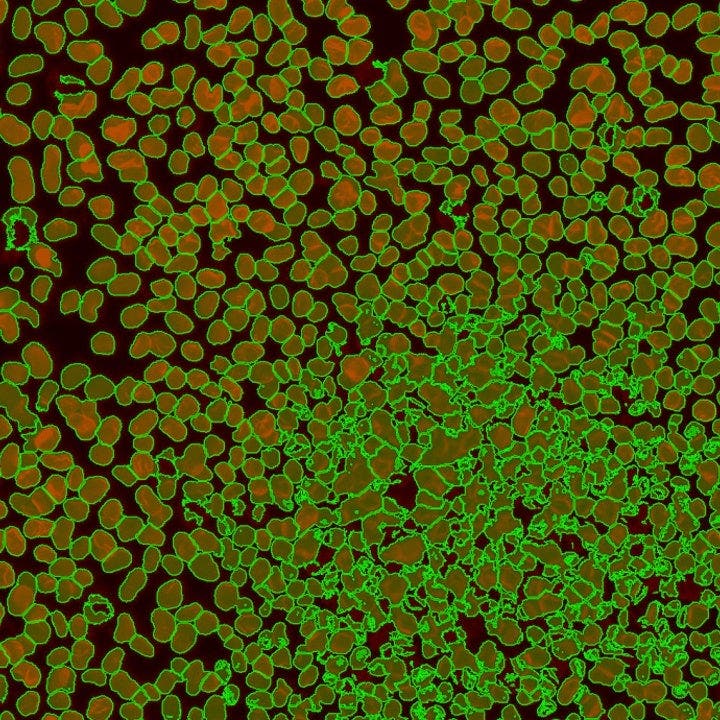
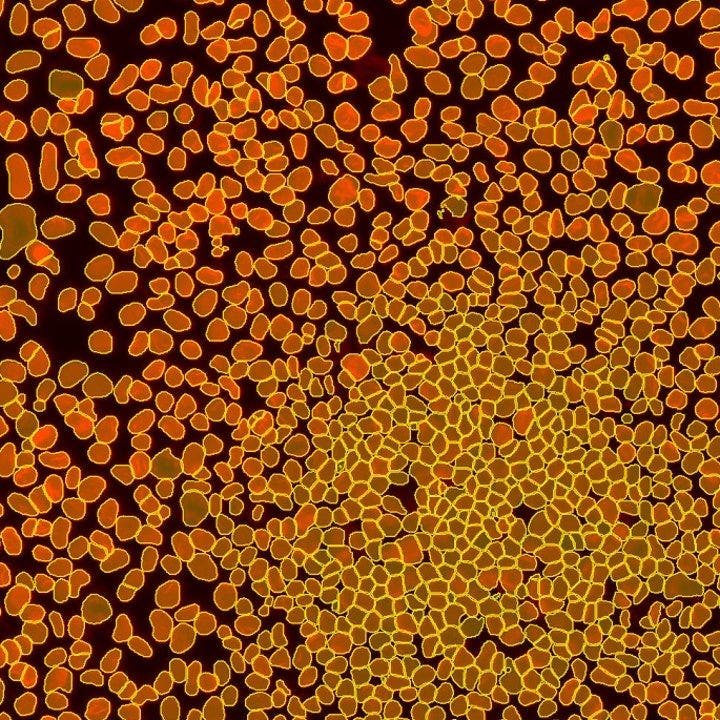
Accurate object segmentation: raw data (left), standard threshold segmentation (middle), TruAI instance segmentation (right). Instance segmentation reliably separates difficult-to-distinguish objects that are very close together, such as cells or nuclei in colonies or tissue.
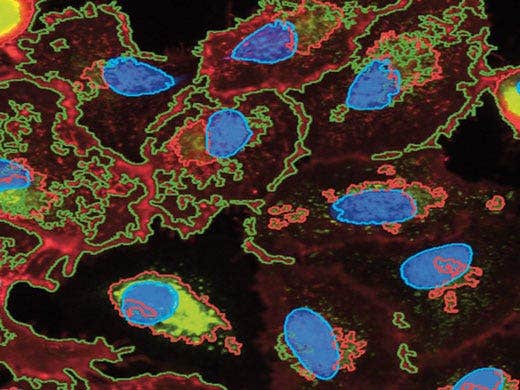
Image screenshot detail following data acquisition by scanR demonstrating the detection and separation of labels. Courtesy of Dr. R. Pepperkok, EMBL Heidelberg, Germany.
Object Detection and Analysis
- Powerful object detection modules segment nuclei, cells, or other structures.
- Select multiple detection algorithms and adapt them to the objects of interest.
- Based on the segmentation results, features to be extracted can be selected from a list of over 100 object parameters.
- Facilitates a wide range of cell-based assays.
Immediate Quality Control
Images and objects are reciprocally linked to their related data points:
- Clicking on a data point loads the relevant image in the display window and highlights the object in question.
- Clicking on an object in the image display window highlights the related data points in the scatter plots and histograms.
Create a gallery view of all images of a selected or gated data population to enable direct, visual comparison of larger image sets with relevant information.
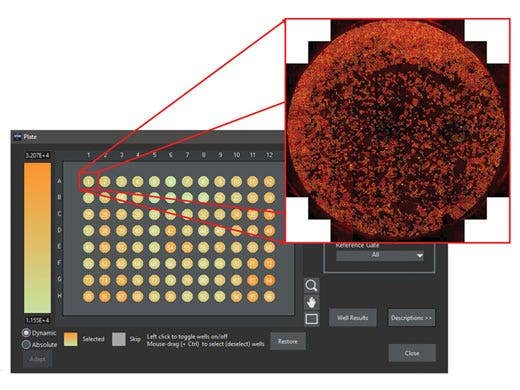
Results are visualized in heatmaps or exported to tables. Easily display an overview of full wells.
Multilevel Acquisition
After an initial prescan, the scanR analysis software can identify all the potential objects of interest. In an automated workflow, the analysis results are used to selectively scan the objects of interest in a second, targeted screen.
Measuring Kinetic Parameters with the Kinetic Module
- Classify live cells, nuclei, and other objects by their time-variant properties.
- Evaluate tracking curves based on values (mean static parameters, such as intensity, area, ratio, shape factor, etc.) measured over time.
- Evaluate and analyze static parameters, such as intensity or the ratio of fluorescence markers, position, size, or shape over time.
- Curves are condensed into single characteristic values (kinetic parameters).
- Plot the kinetic parameters in 1D or 2D histograms, and gate populations based on their specific time-variant properties.
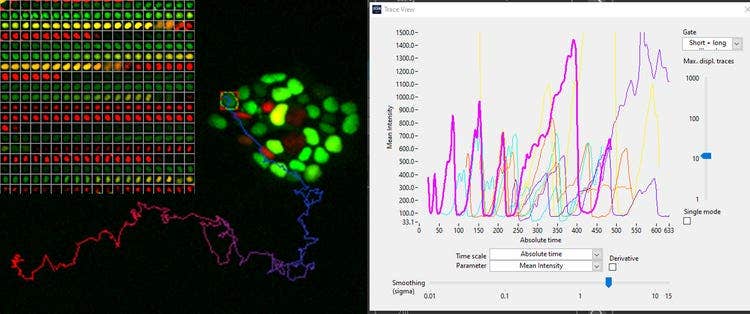
hES cells expressing FUCC (CA) biosensor. Courtesy of Dr. Silvia Santos, The Francis Crick Institute, London, UK.
Combines High-End Imaging and High-Content Analysis
- Run your cellSens live-cell imaging software on the same system as the scanR solution so that you can use the same setup simultaneously for screening and high-end imaging.
- Obtain high-quality image detail for the most demanding screening applications using 2D and 3D constrained iterative deconvolution algorithms.
- The fast and easy-to-use algorithms are designed to reduce out-of-focus blur and background to reveal essential structural details.
- Helpful for in-depth analysis requiring high-resolution structural details.
Flexible Module Options
The scanR solution not only satisfies the specific speed, endurance, and reliability requirements of a fully automated high-content screening system but also provides unmatched flexibility and adaptability with extensive expansion capabilities. This enables the scanR system to meet the specifications of a wider range of applications and budgets. Add modules with the following capabilities to your system:
- Self-learning microscopy based on deep-learning technology
- Measuring kinetic parameters
- High-speed 3D deconvolution
- Infrared (IR) laser hardware autofocusing (based on the IX-ZDC)
- And more
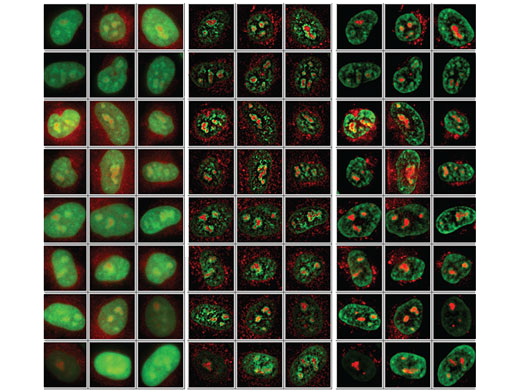
High-Speed TruSight™ Deconvolution
Comparison of widefield, 2D deconvolution, and 3D deconvolution detecting the fine structures of samples without compromising on throughput.
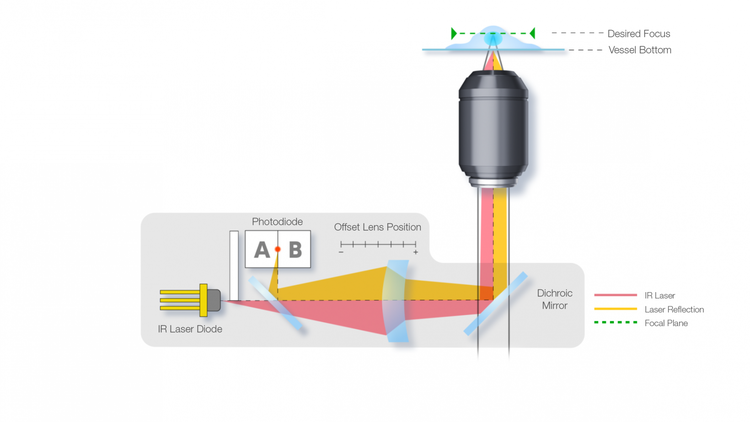
TruFocus with Infrared (IR) Laser Hardware Autofocus
The enhanced continuous AF mode keeps the desired plane of observation precisely in focus, even when adding reagents or during changes in room temperature.