3D Optical Profilometers for Surface Metrology
Surface Data You Can Trust. Accuracy We Can Prove.
3D optical profilometers use noncontact measurement to capture high-precision surface data, making them ideal for delicate or complex parts in materials science, R&D, and manufacturing QA/QC. Evident 3D optical profilometers set a new standard in precision surface measurement, providing measurement confidence with precise surface detail, traceable accuracy, and smart automation.
Uniting laser scanning microscopy (LSM), white light interferometry (WLI), and focus variation microscopy (FVM), our award-winning 3D optical profilometers offer true-to-form surface details across complex geometries. Identify subtle features and surface variations with unparalleled clarity—use LSM, WLI, and FVM to detect defects, confirm designs, and make confident decisions that help improve product quality and yield.
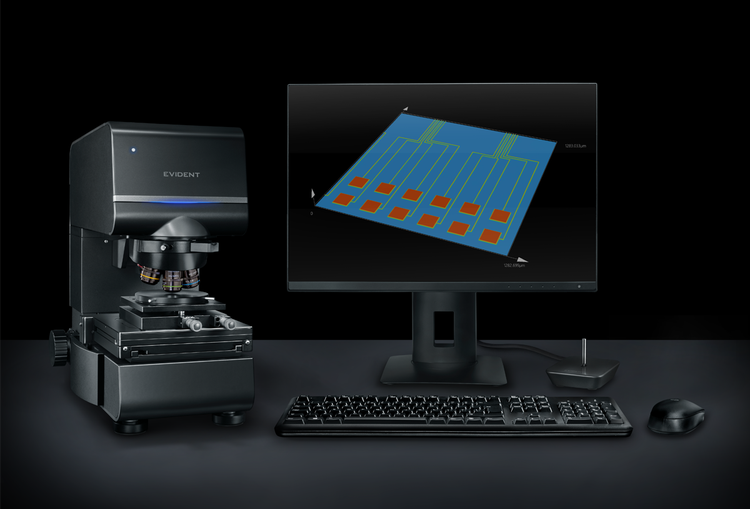
3D Optical Profilometer Systems
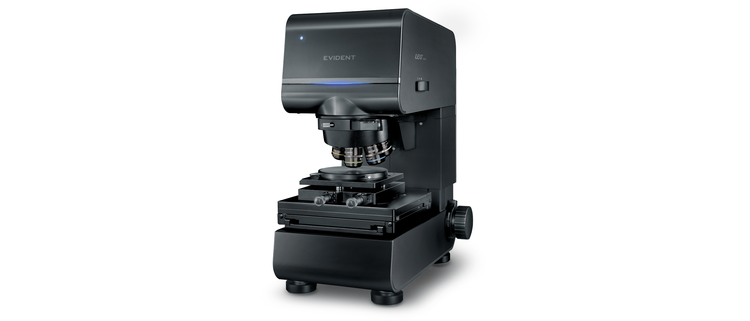
LEXT OLS5500
Hybrid 3D Optical Profilometer
- Traceable surface measurements from the nanometer to micrometer scale
- Laser scanning microscopy (LSM), white light interferometry (WLI), and focus variation microscopy (FVM) in one award-winning platform
- First 3D optical profilometer to offer guaranteed accuracy and repeatability* for both LSM and WLI measurements
- WLI mode delivers up to 40x faster measurement throughput than conventional LSM
- Exceptional precision across surfaces with in-house engineered optics
- Intuitive interface and smart automation streamline operation for users of all levels
- AI-enhanced and high-throughput workflows with PRECiV™ software integration
*Based on Evident’s internal research as of October 2025. The guaranteed accuracy and repeatability apply only if the device has been calibrated according to the manufacturer’s specifications and is in defect free condition. Calibration must be performed by an Evident technician or an Evident-authorized specialist.
3D Optical Profilometer Applications and Industries
Evident 3D optical profilometers support a wide range of industries with precise, noncontact surface measurement. From semiconductors to polymers, they deliver reliable data for quality control, research, and production across advanced materials and components.
Semiconductors and MEMS
3D optical profilometers are ideal for inspecting semiconductor wafers and MEMS components. They provide precise measurements of wafer surface roughness, step height, and line width of fine patterns. These tools can also detect microcracks and surface contamination without damaging delicate features.
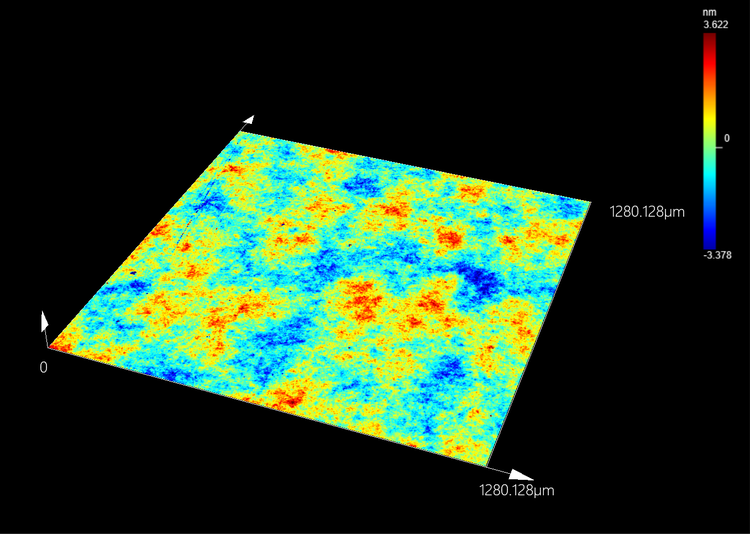
WLI image of a silicon carbide (SiC) wafer.
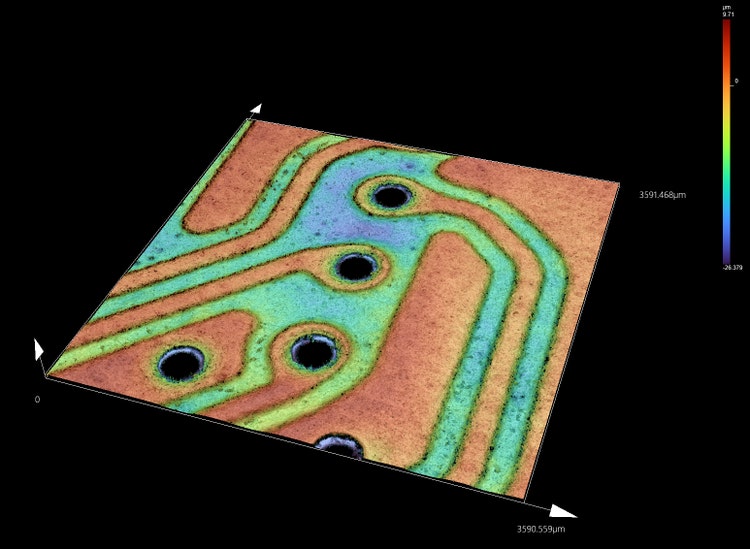
WLI image of a printed circuit board.
Electronics
In electronics manufacturing, 3D optical profilometers help users monitor surface roughness of copper traces and identify cracks or defects on printed circuit boards (PCBs). The noncontact method ensures reliable analysis of complex and sensitive surfaces.
Polymers and Composites
3D optical profilometers are used to measure transparent film thickness, analyze surface roughness, and detect defects in polymer films and composite materials. Their high-resolution 3D imaging is especially valuable for characterizing layered or soft materials.
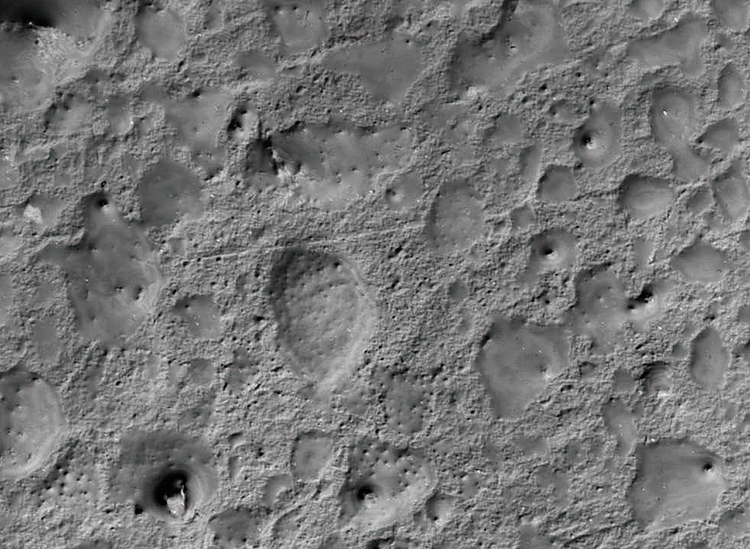
LSM image of a polymer film.
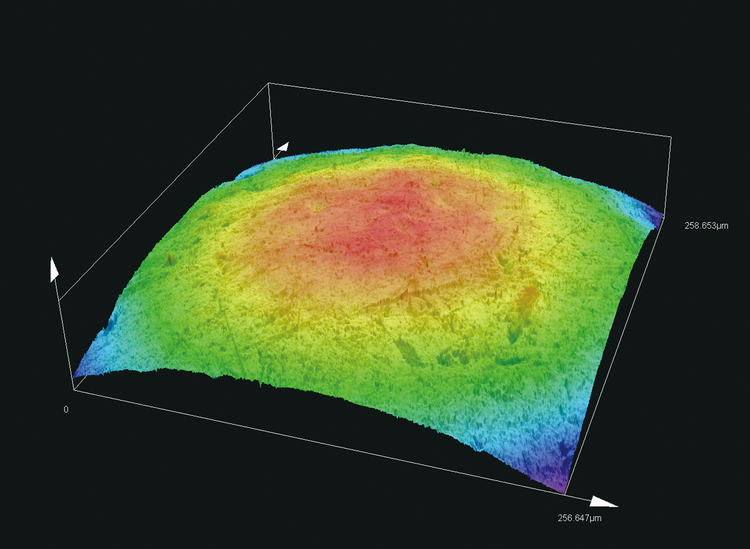
LSM image of a bearing ball.
Metals and Alloys
3D optical profilometry offers fast, noncontact analysis of surface roughness and grain size in metals and alloys. It supports quality control processes by capturing detailed topography data that help assess wear, finishing, and material consistency.
Comparison of Surface Metrology Techniques
Each surface metrology technique in 3D optical profilometry offers unique advantages for exploring the shape, texture, and fine details of your samples.
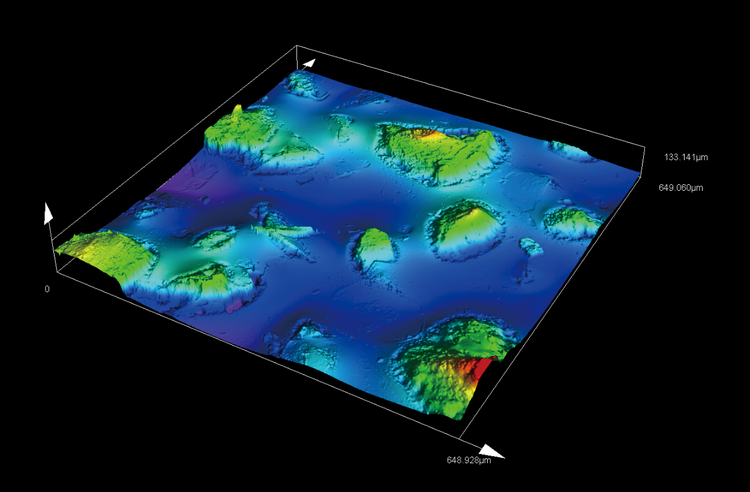
Laser Scanning Microscopy (LSM)
This method has high measurement resolution in both the horizontal and vertical directions and allows for balanced measurements.
Suitable for measuring fine surface textures from submicron to several hundred microns.
Shapes with steep angles can also be measured.
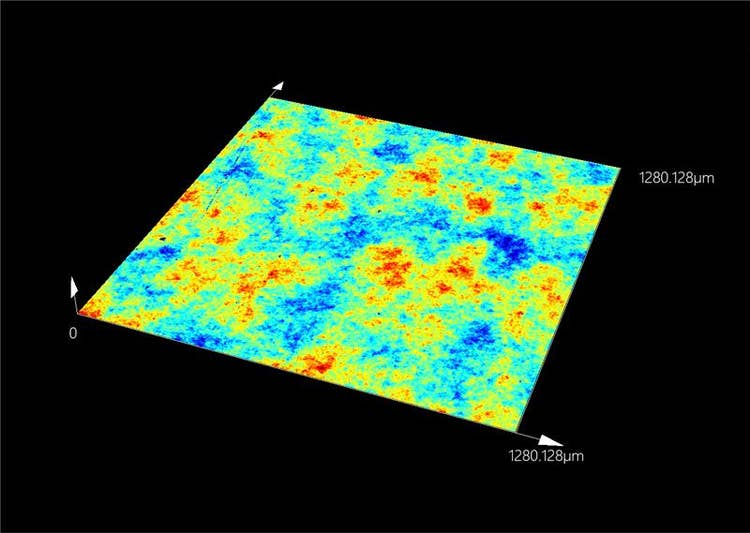
White Light Interferometry (WLI)
Suitable for smooth and sloped surfaces and for measuring stepson the order of nm.
Constant height measurement performance can be obtained at any objective magnification.
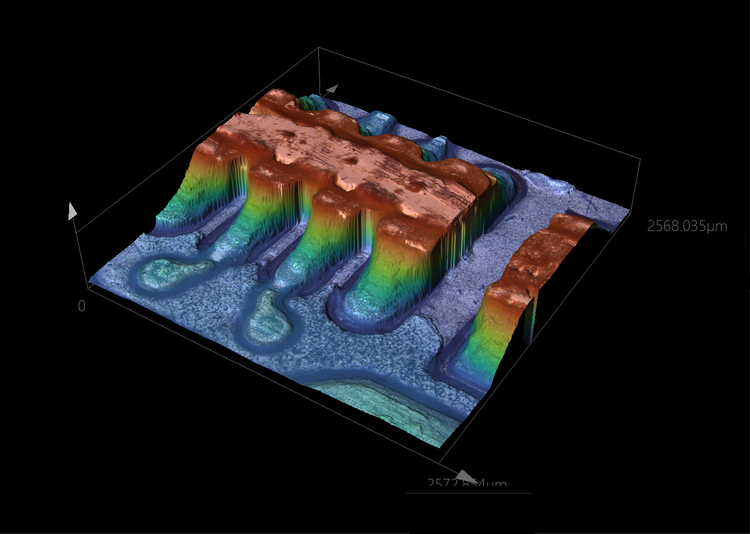
Focus Variation Microscopy (FVM)
Suitable for capturing the macro shape of the sample.
By combining FVM with LSM or WLI, it enables shape acquisition from macro to microstructures.
Why Choose EVIDENT 3D Optical Profilometers
Proven Optical Expertise
Developed from a century of optical excellence, in-house engineered Evident optics offer unparalleled clarity to reveal true surface details across geometries: flat areas, uneven patterns, steep slopes, and fine textures. Dedicated laser microscopy objectives and high NA WLI objectives provide high-fidelity imaging, while contrast enhancing options expose subtle or hidden details.
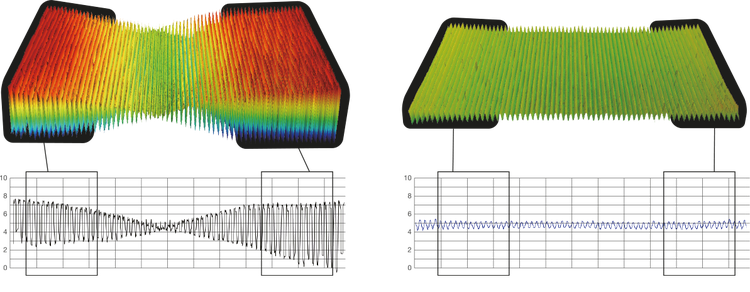
Left: With conventional lenses, distortion increases at the periphery and affects measurement accuracy. Right: With LEXT lenses, the periphery is reproduced free of distortion for accurate measurements.
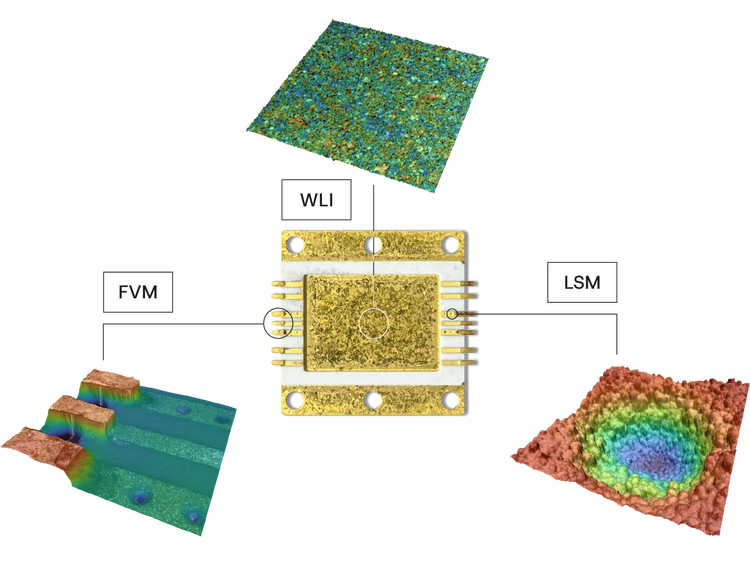
RF package imaged using three surface metrology techniques.
Complete Imaging Solution
Hybrid technology combining three surface metrology techniques—laser scanning microscopy (LSM), white light interferometry (WLI), and focus variation microscopy—for nanometer-level resolution across steep slopes and high-aspect-ratio features. Measure any sample from nm to mm or flat to uneven with WLI (vertical), LSM (lateral), and FVM (macro to micro) with one easy-to-use platform.
Noncontact and Traceable Measurement
Light, not physical contact, captures surface data, making Evident 3D optical profilometers ideal for delicate materials, thin coatings, and MEMS devices. Unlike stylus profilometers, they eliminate the risk of surface damage. All measurements are validated through our traceable calibration process, providing results you can defend across audits, reports, and production reviews. Our Evident LEXT™ OLS5500 guarantees measurement noise levels* in accordance with ISO 25178-700:2022 (1 nm with MPLAPON 100X LEXT™ objectives and 0.08 nm with WLI objectives) for high-resolution detection of subtle topographic changes.
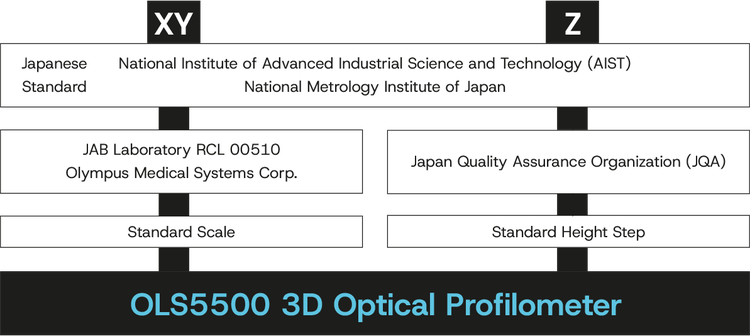
Example traceability system chart for the AIST standard.
*You will receive a measurement noise guarantee certificate. This is a representative value when measured under conditions specified by Evident and is different from the guaranteed value.
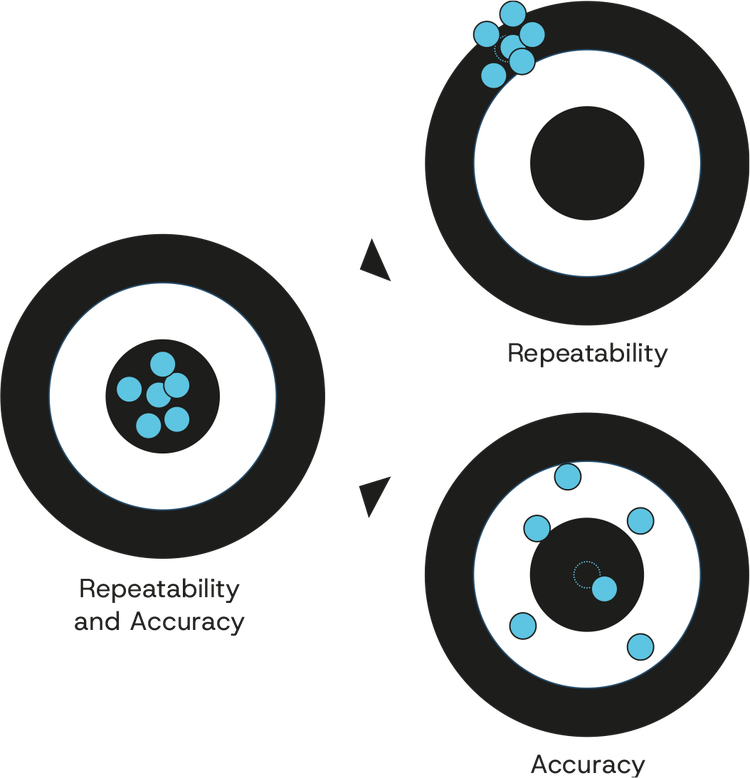
*The guaranteed accuracy and repeatability apply only if the device has been calibrated according to the manufacturer’s specifications and is in defect free condition. Calibration must be performed by an Evident technician or an Evident-authorized specialist.
Guaranteed Accuracy and Repeatability
Obtain consistent, high-precision measurements across surface metrology applications with the world’s first 3D optical profilometer to ensure guaranteed accuracy and repeatability* for both LSM and WLI measurements: the Evident LEXT™ OLS5500. Our 3D optical profilometers ensure every surface can be measured clearly and accurately with verifiable calibration and time-stamped records.
High Throughput with Automation
Intuitive software and smart automation support fast, reliable, and repeatable results at scale. Motorized stages, macros, seamless large-area imaging, and batch analysis help reduce operator workload and speed up quality control. The OLS5500’s WLI mode adds to this efficiency, offering 40x faster measurement throughput than conventional laser scanning microscopy.
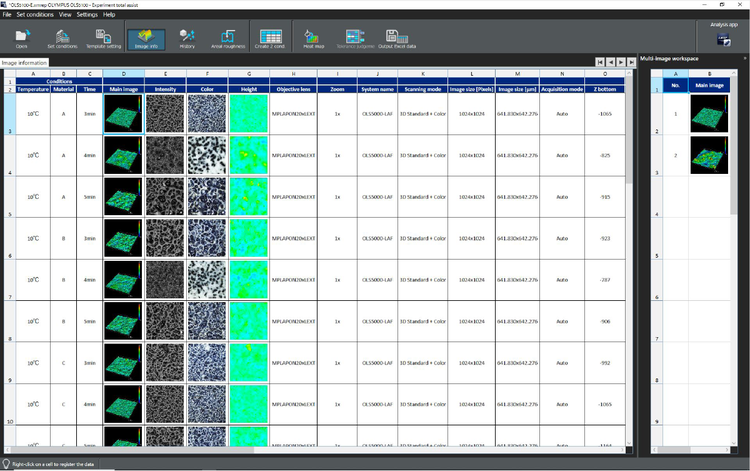
Automate inspections with macros: create, edit, and run procedures for reliable results.
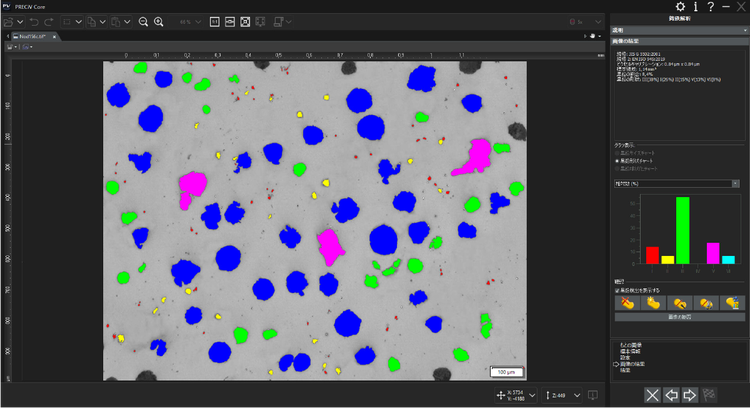
Do more in 3D metrology with PRECiV software.
Advanced Software Ecosystem
Intuitive analysis with automatic roughness parameters (ISO, JIS standards), 3D visualization, and report generation. PRECiV™ software integration adds routine metallography, AI-enhanced workflows, and advanced 2D analysis to support specialized applications and high-throughput production environments.
How Do Optical Profilometers Work?
The LEXT OLS5500 3D optical profilometer has two optical systems, color imaging and laser confocal, that enable it to acquire color and shape information, as well as high-resolution images.
Color Imaging
Color imaging optics acquire information using a white light LED light source and CMOS image sensor. This enables accurate color reproduction and clear visualization of surface features.
3D Shape Information and High-Resolution Images
Laser confocal optics acquire LSM images using a 405 nm laser diode light source and a high-sensitivity photomultiplier. In WLI, height information is obtained from interference fringes generated when light from a white light source is split by a beam splitter within the objective lens and reflected from both the sample surface and a reference surface. FVM determines height information by identifying the Z-position at which the image contrast reaches its maximum.
3D Optical Profilometers FAQs
3D Optical Profilometer Resources
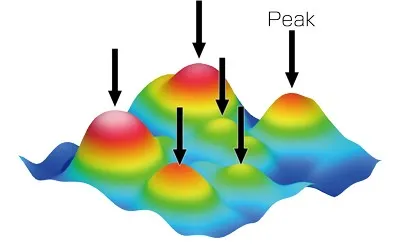
Surface Roughness Measurement Portal
Browse our Surface Roughness Measurement Portal for insights and tools to accurately quantify the microscopic texture of surfaces.
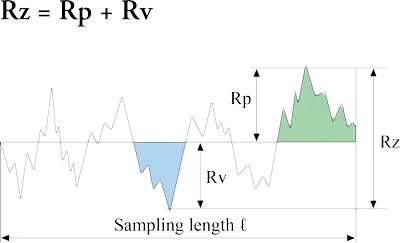
Surface Roughness Measurement Parameters
From the profile method to the areal method, explore key roughness parameters to understand and quantify surface texture with precision.
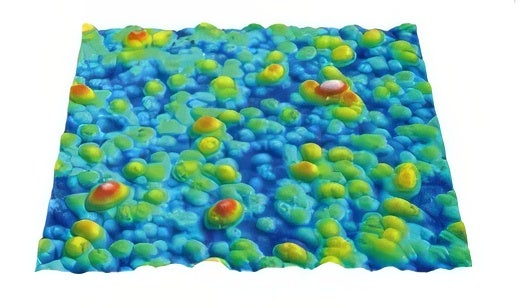
How to Evaluate Surface Roughness Measurement Parameters
Dive into practical techniques for interpreting key surface roughness parameters for 3D texture analysis.